

Pisaq Peru: Complete Guide to the Town and Pisac Archaeological Site in the Sacred Valley
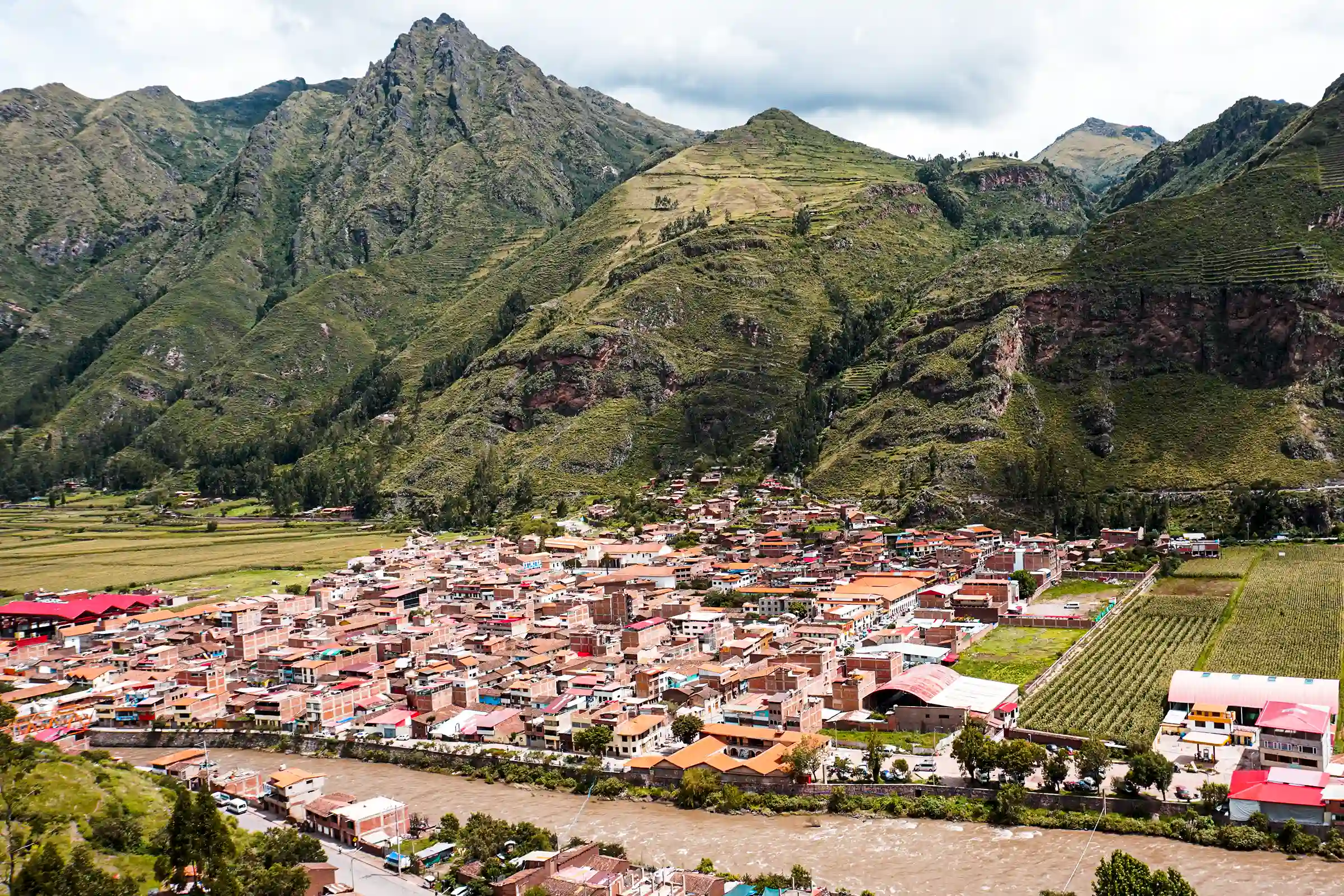
Pisaq Peru is one of the most fascinating destinations in the Sacred Valley of the Incas, in the Cusco region of Peru. This remarkable destination combines impressive Inca architecture, extensive agricultural terraces, Andean mountains, Quechua traditions, and a traditional town famous for its artisan market.
Visiting Pisac allows you to discover two complementary aspects of Andean culture: the legacy of the Inca civilization in the mountains and the daily life of a community that continues to preserve its traditions, cuisine, and artistic heritage.
If you’re planning a trip to Cusco, Pisac is a must-visit destination for understanding the history of the Inca Empire and enjoying the spectacular landscapes of the Sacred Valley.
-
Where Is Pisac Located?
Pisac is located in Calca Province, in the Cusco region of southeastern Peru. It’s situated at the eastern end of the Sacred Valley of the Incas, along the Vilcanota River, also known as the Urubamba River in this area.
The destination consists of two main areas:
- Pisac Town: Located in the valley, it’s home to the main square, artisan market, restaurants, small shops, and traditional streets.
- Pisac Archaeological Park: Located in the mountains above the town, this impressive complex features Inca buildings, agricultural terraces, ceremonial structures, ancient pathways, and scenic viewpoints.
Cusco is approximately 33 km (20.5 miles) by road from Pisac town. From the town center, the main archaeological area is about 9 km (5.6 miles) farther uphill.
General Information About Pisaq Peru
Feature – Information
- Country – Peru
- Region – Cusco
- Province – Calca
- Location – Sacred Valley of the Incas
- Town altitude – Approximately 2,972 m (9,751 ft) above sea level
- Archaeological Park altitude – Around 3,400 m (11,155 ft) in many areas
- Distance from Cusco – Approximately 33 km (20.5 miles) to the town
- Languages – Spanish and Quechua
- Main attractions – Archaeological Park, artisan market, and main square
- Activities – History, culture, hiking, photography, and shopping
Altitudes are approximate and vary depending on the area visited.
-
History of Pisac and Its Importance in the Inca Empire
Pisac’s history is closely connected to the expansion of the Inca Empire and the agricultural, religious, and strategic development of the Sacred Valley.
According to information from the Decentralized Directorate of Culture of Cusco, the archaeological complex is considered an ancient royal estate associated with the Inca ruler Pachacuti. These estates could include agricultural lands, residential areas, and ceremonial structures distributed across a large territory.
Pisac During the Inca Period
During the Inca period, Pisac stood out for its strategic location, agricultural lands, and architecture integrated into the surrounding mountains. Its agricultural terraces allowed the Incas to make use of steep slopes and create suitable areas for cultivation.
The arrangement of buildings and pathways also demonstrates careful planning that combined agricultural, residential, ceremonial, and communication needs.
Its elevated position offered extensive views of the valley, while ancient paths connected different parts of the settlement with other areas of the region.
The Arrival of the Spanish
During the 16th century, the Spanish conquest transformed the region’s political and social organization. The Inca settlement suffered damage and changes in land use, while the population and activities of the valley were reorganized.
Over time, the present-day town developed in the lower valley, with an urban layout influenced by the colonial period. An important example of this transformation is the Church of San Pedro Apóstol, which forms part of Pisac’s religious and architectural history. In 2024, Peru’s Ministry of Culture declared the church a National Cultural Heritage monument.
What Does the Name Pisac Mean?
The name is associated with the Quechua term p’isaq or p’isaqa, which refers to an Andean partridge. A traditional interpretation connects the shape of the landscape or the layout of the ancient settlement with the silhouette of this bird.
Although this is a well-known cultural interpretation, explanations about the symbolic design of Inca settlements should be distinguished from archaeologically documented facts.
-
Pisac Archaeological Site: A Masterpiece of Inca Architecture
The Pisac Archaeological Park is one of the most remarkable archaeological complexes in the Sacred Valley. It extends across mountainous terrain and contains different architectural sectors connected by ancient pathways, stairways, and agricultural terraces.
The Decentralized Directorate of Culture of Cusco records an approximate area of 9,063 hectares for the archaeological park. Its structures stand out for their stonework, adaptation to the natural terrain, and integration with the surrounding landscape.
These are some of the most important places to discover during your visit.
3.1. The Inca Agricultural Terraces
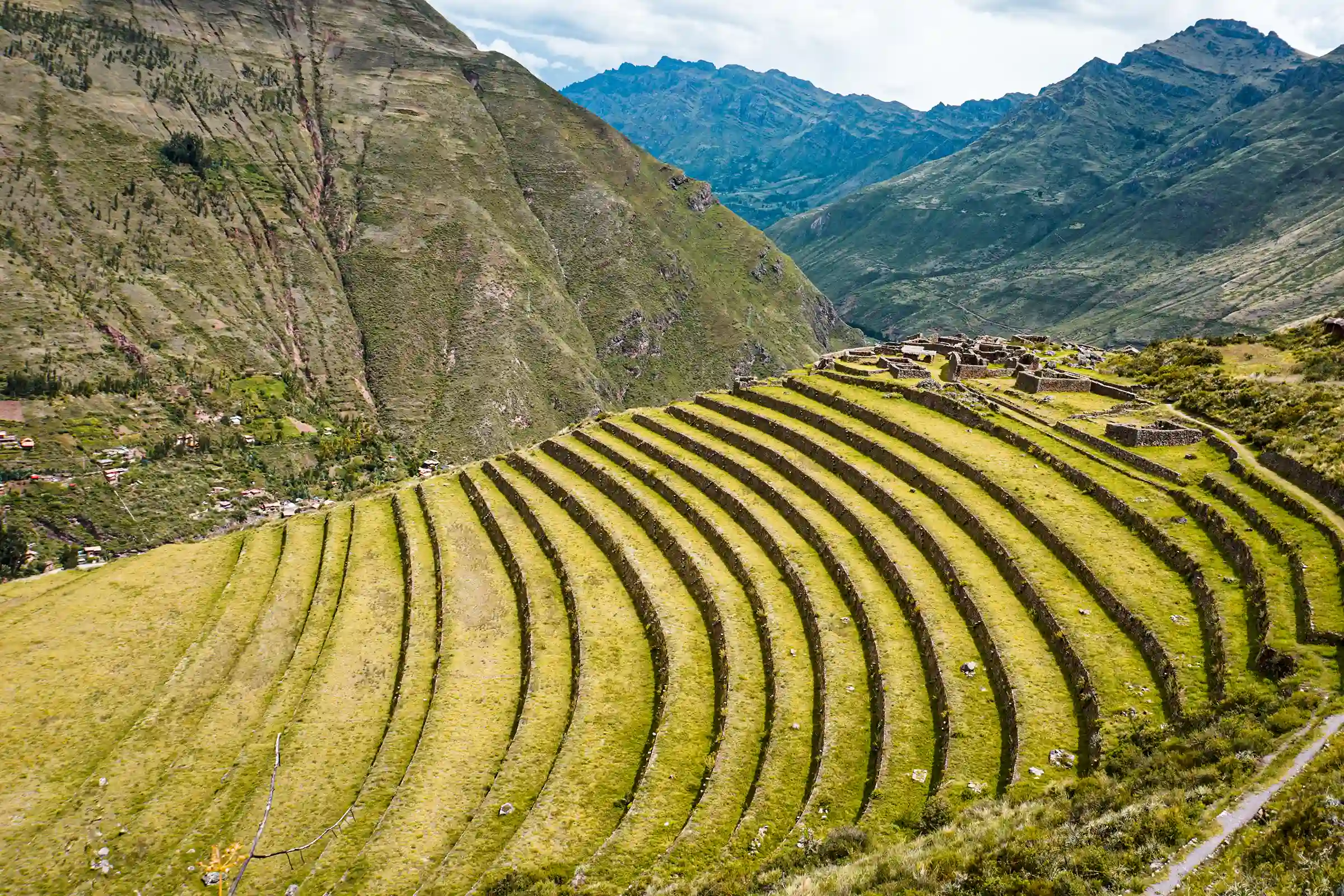
The agricultural terraces, known as andenes, are among the most impressive features of Pisac. They were built along the curves of the mountains to create flat cultivation areas on steep slopes.
Their main functions included:
- Making use of steep terrain and expanding cultivable land.
- Reducing soil erosion caused by rainfall.
- Improving water management and drainage.
- Creating growing conditions suited to different elevations and microclimates.
One of the best-known terrace complexes is Acchapata, where the stepped terraces create a striking composition that can be admired from different viewpoints.
These structures reveal the agricultural knowledge and engineering skills the Incas developed to make the most of the resources available in the Andes.
3.2. The Intihuatana Sector
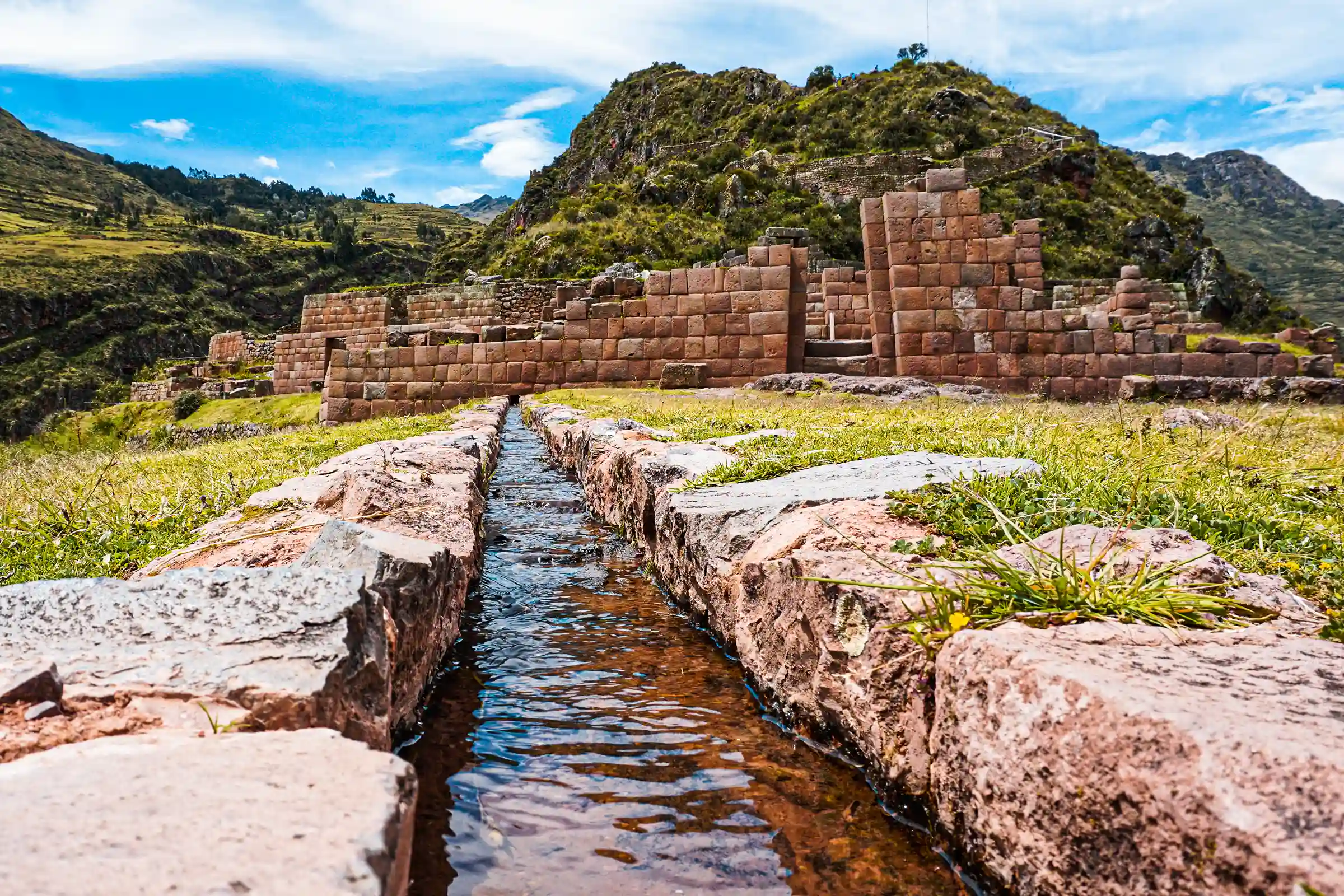
Intihuatana is one of the most recognized ceremonial areas in the archaeological complex. Its architecture includes finely crafted stone enclosures and a carved rock traditionally associated with astronomical observation and ceremonies connected to the Sun.
The word Intihuatana is commonly translated as “the place where the Sun is tied.” The term is also used to describe ritual stones found at other Inca sites.
At Pisac, the quality of the stonework and the location of this sector reveal the architectural knowledge of the Inca civilization. Although interpretations of its exact functions may vary, the complex remains an essential part of Pisac’s archaeological heritage.
3.3. Inca Neighborhoods and Residential Structures
The complex includes different sectors containing residential, ceremonial, and possibly administrative structures. Names associated with archaeological areas include K’alla Q’asa, Intiwatana, Pisaq’a, and Qanchis Raqay.
As you explore these areas, you’ll discover:
- Carefully fitted stone walls.
- Rooms and enclosures of different sizes.
- Stairways and passages following the contours of the mountains.
- Elevated areas offering expansive views of the valley.
Each sector helps explain how an Inca settlement was organized in relation to the terrain and its natural resources. Some names and interpretations of the buildings are based on archaeological research, so it’s best not to assign a definitive function to every structure without sufficient evidence.
3.4. Towers and Structures Traditionally Associated with Defense
Some of the site’s notable features are structures traditionally referred to as towers or pucaras. Their locations and shapes form part of the complex architectural layout.
The archaeological site allows visitors to appreciate the importance of territorial visibility, communication between different sectors, and the adaptation of buildings to steep slopes. However, not every structure should automatically be interpreted as a military fortification, as some may have served other purposes.
3.5. Inca Pathways and Stone Stairways
Stone pathways and stairways connect different parts of the archaeological park. Some follow the mountainsides, while others pass between terraces and stone enclosures.
These routes demonstrate the Incas’ ability to create connections across challenging terrain. They also offer opportunities to observe architectural details and enjoy panoramic views of the Sacred Valley.
Walk carefully, remain on authorized paths, and avoid exposed edges.
3.6. The Ancient Inca Cemetery
The rocky slopes of the archaeological area contain remains associated with an ancient Inca cemetery. These funerary spaces form part of the settlement’s historical context and demonstrate the importance of burial practices in Andean society.
The area also reflects the damage and looting that affected some archaeological spaces during the colonial period. Because of its cultural significance, visitors should observe these areas only from permitted viewpoints and avoid entering cavities or disturbing archaeological remains.
3.7. Panoramic Viewpoints of the Sacred Valley
One of Pisac’s greatest attractions is the spectacular scenery visible from the upper sections of the archaeological complex. From various viewpoints, you can admire the Vilcanota River, agricultural lands, the town, and the mountains surrounding the Sacred Valley.
These viewpoints are ideal for landscape photography and for appreciating how Inca architecture blends into the natural environment.
If you enjoy photography, bring a camera or a phone with sufficient battery power and allow yourself time to appreciate the surroundings without rushing.
-
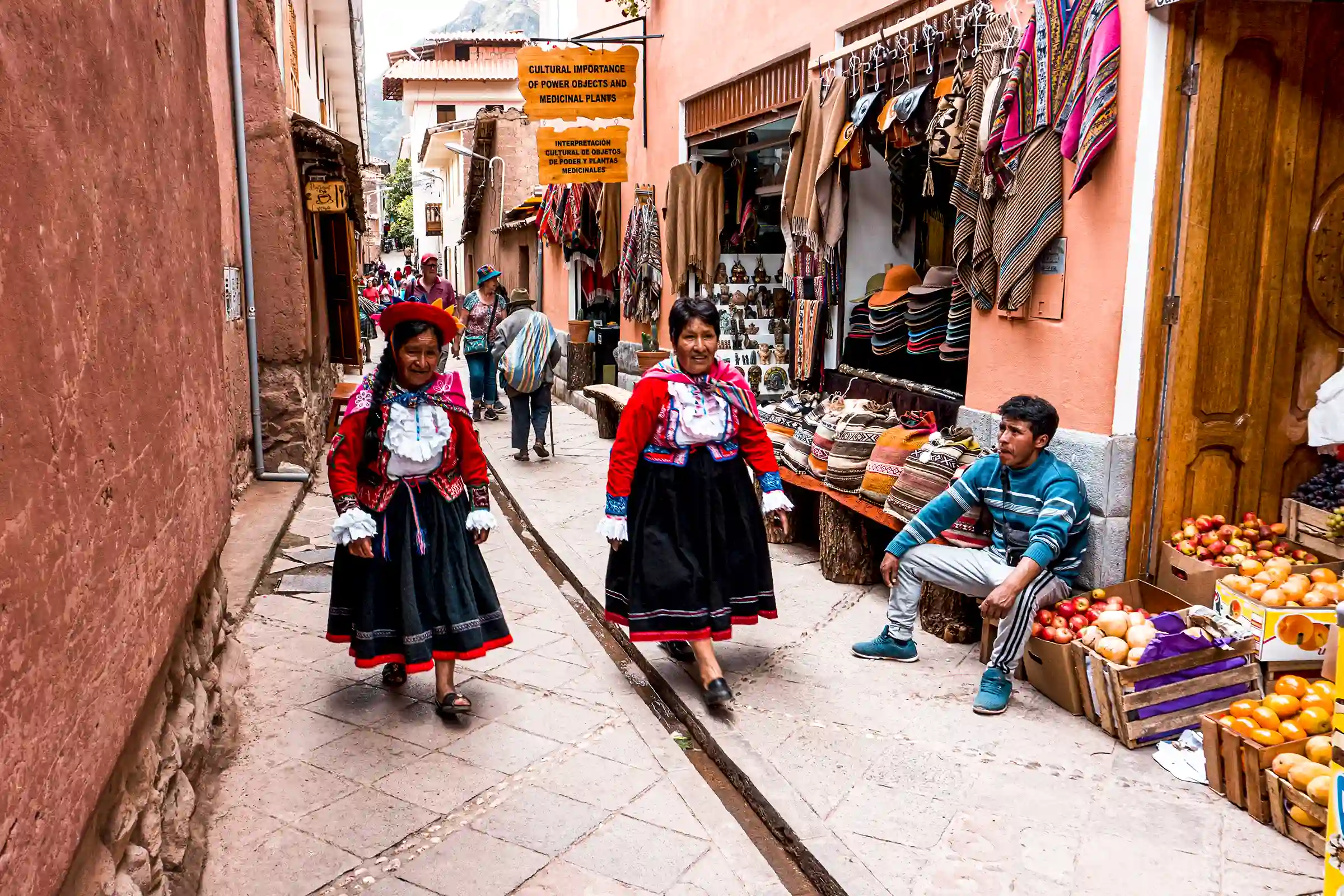
Pisac Town: Andean Culture, Traditions, and Daily Life
Pisac town offers an experience that differs from visiting the archaeological site. Its streets, squares, shops, and markets provide an opportunity to discover everyday life in the Sacred Valley.
It’s an ideal place to stroll, browse locally made handicrafts, try regional cuisine, and observe how Andean traditions coexist with contemporary life.
4.1. Pisac’s Main Square
The main square is one of the most pleasant places to begin exploring the town. It’s surrounded by shops and streets leading to the artisan market.
Here, you can take photographs, shop for souvenirs, visit small stores, or relax before continuing your journey through the Sacred Valley.
The square also offers a glimpse of the town’s architecture and its relationship with the surrounding mountains.
4.2. Pisac Artisan Market
The artisan market is one of Pisac’s main tourist attractions. It’s known for textiles, alpaca wool garments, silver jewelry, ceramics, musical instruments, and other handmade products.
Some of the items you can find include:
- Scarves, blankets, and woven garments.
- Traditional Andean chullos and accessories.
- Silver jewelry and decorative pieces.
- Ceramics, souvenirs, and objects inspired by Andean designs.
- Musical instruments and crafts made by local artisans.
The market offers an opportunity to discover regional artistic traditions and purchase souvenirs from your trip. If you’re buying textiles or jewelry, ask about the materials, techniques, and origins of each piece.
Which day is best for visiting Pisac Market?
The market generally operates throughout the week, but Tuesdays, Thursdays, and especially Sundays are known for greater commercial activity and the presence of vendors from nearby communities. Opening hours and product availability may vary depending on the season.
If you want to experience the market at its most traditional and lively, consider visiting on a Sunday. If you prefer a quieter experience, choose another day and combine the visit with the archaeological park.
4.3. The Church of San Pedro Apóstol
The Church of San Pedro Apóstol is one of the town’s most important historical monuments. Its origins are connected to the establishment of the colonial settlement and the religious and urban changes that took place after the Spanish conquest.
The church holds historical, architectural, and cultural significance for the local community. In July 2024, Peru’s Ministry of Culture announced its designation as a monument forming part of the nation’s Cultural Heritage.
If the church is open during your visit, you can explore its surroundings and appreciate how colonial architecture forms part of Pisac’s history.
4.4. Traditional Food in Pisac
Pisac’s cuisine reflects the traditional ingredients of the Sacred Valley and the Peruvian Andes. Restaurants and markets offer dishes prepared with regional produce.
Some local foods to look for include:
- Choclo con queso: Andean corn served with fresh cheese.
- Trout: Often grilled or fried, depending on the restaurant.
- Andean soups: Prepared with vegetables, grains, and other local ingredients.
- Quinoa: Used in soups, stews, and other dishes.
- Pachamanca: A traditional preparation of meat, potatoes, and other ingredients cooked using heated stones. It’s available at selected establishments and on certain occasions.
- Traditional drinks: Andean herbal infusions and other regional beverages.
Enjoying local cuisine is an excellent way to complement your cultural visit to Pisac.
-
Things to Do in Pisac: The Best Experiences
Pisac offers activities for different types of travelers, including history enthusiasts, couples, families, photography lovers, and anyone interested in discovering the traditions of Cusco.
Here are some of the best experiences to include in your visit:
- Explore the archaeological park. Discover the agricultural terraces, stone enclosures, and ceremonial sectors of the ancient Inca settlement.
- Enjoy the Sacred Valley scenery. Admire the mountains and river from authorized viewpoints.
- Visit the artisan market. Explore regional textiles, jewelry, and handicrafts.
- Walk around the town. Discover its streets, main square, and traditional shops.
- Try local cuisine. Enjoy dishes prepared with Andean ingredients.
- Take photographs. Capture the architecture, agricultural terraces, and mountain scenery.
- Learn about Inca culture. Hire a tour guide to better understand the history and significance of the places you visit.
To make the most of your experience, combine the archaeological site with a walk around the town. This allows you to discover both Pisac’s historical legacy and the traditions that continue to shape local life.
-
How to Get to Pisac from Cusco
There are several ways to reach Pisac from Cusco. The best option depends on your budget, available time, and the kind of experience you’re looking for.
Option 1. Private Transportation from Cusco
Private transportation is a comfortable option for travelers who want to organize their journey with greater flexibility.
With HL Transportes Turísticos Cusco, you can arrange pickup from your hotel in Cusco and travel directly to Pisac in a vehicle reserved exclusively for your group.
Benefits include:
- Coordinated pickup from your hotel or accommodation.
- A private vehicle that isn’t shared with strangers.
- Flexibility to arrange stops and sightseeing time.
- Comfort for families, couples, and groups of friends.
- The possibility of combining Pisac with other Sacred Valley attractions.
- Return transportation to Cusco or onward travel to another destination, depending on your agreed itinerary.
The drive to Pisac town generally takes around 45 minutes to one hour, although traffic, weather, and your pickup location may affect travel time. Reaching the archaeological park requires an additional uphill drive from the town.
Option 2. Public Transportation
You can also reach Pisac using public transportation or shared minivans operating between Cusco and towns in the Sacred Valley.
This can be a budget-friendly alternative, but you should consider waiting times, departure and arrival points, luggage space, and the need to arrange transportation from the town to the archaeological site.
Schedules and service conditions may change, so check the latest information before traveling.
Option 3. A Private Sacred Valley Tour
If you’d like to visit more places in one day, you can arrange a private Sacred Valley tour that includes Pisac and other destinations, such as Ollantaytambo or Chinchero.
This option is particularly appealing to travelers who want to make the most of their time in Cusco and discover different landscapes and historical sites without relying on several separate transportation services.
Travel tip: If you plan to visit the archaeological park, the artisan market, and other attractions on the same day, organize your itinerary in advance to allow enough time at each stop.
-
Private Pisac Tour from Cusco with HL Transportes Turísticos
Discover Pisac’s history and beauty with private tourist transportation designed to provide comfort, safety, and flexibility throughout your journey in Cusco.
HL Transportes Turísticos Cusco offers private transportation for travelers who want to explore the Sacred Valley at their own pace. You can arrange pickup from your hotel and coordinate stops according to your interests, available time, and group size.
During your visit to Pisaq, you can explore the archaeological park, admire the Inca terraces, enjoy the mountain scenery, and discover the town’s artisan market.
If you’d like to extend your journey, you can also ask about private transportation options to other Sacred Valley attractions.
Our goal is to help you enjoy a comfortable, personalized, and well-organized travel experience, with a private vehicle exclusively for you and your companions.
Plan your visit to Pisac with HL Transportes Turísticos Cusco and discover the legacy of the Incas with the freedom to travel your way.
-
What Is the Best Time to Visit Pisac?
Pisac can be visited throughout the year, although the experience varies depending on the season and weather conditions.
- Dry season, approximately May to September: Generally, offers clearer days and favorable conditions for enjoying the scenery and taking photographs. Mornings can be cold.
- Rainy season, approximately November to March: The landscape is often greener, but rainfall can make hiking more difficult and trails slippery.
- Transition months, April and October: These months can offer a combination of green landscapes, sunny periods, and occasional rain.
These seasons are approximate, as Andean weather can change quickly. To enjoy the archaeological park, it’s best to start early, bring sun protection, and prepare for changing temperatures.
-
Important Tips Before Visiting Pisac
To make the most of your visit to the town and archaeological site, keep these recommendations in mind:
- Arrive early. This gives you more time to explore the complex and visit the market.
- Bring sun protection. The sun can be intense at high altitudes, even when the weather feels cool.
- Wear comfortable walking shoes. The park has trails, stairways, and uneven surfaces.
- Carry drinking water. Walking and altitude can increase fatigue.
- Dress in layers. Temperatures can change between sunny and shaded areas.
- Allow time to acclimatize. If you’ve just arrived in Cusco, avoid strenuous activity during your first few hours.
- Check entry requirements. Confirm opening hours, the applicable tourist ticket, and any restrictions before your visit.
- Respect the archaeological heritage. Don’t climb on walls or leave authorized routes.
- Bring cash for the market. It can be useful for small purchases, although payment methods vary by vendor.
- Consider hiring a tour guide. A guide can explain the functions of different sectors and help you better understand Pisac’s history.
Pisaq Archaeological Site Opening Hours and Tickets
The Decentralized Directorate of Culture of Cusco lists visiting hours for Pisac Archaeological Park as 7:00 a.m. to 4:30 p.m. Entry is generally managed through the applicable Cusco Tourist Ticket, with conditions that may vary according to visitor type and the current ticket circuit.
Before traveling, confirm opening hours and admission requirements with Cusco’s cultural authorities. Keep in mind that admission to the archaeological park is separate from visiting the town’s artisan market.
The archaeological route includes slopes and stairways. According to the cultural authorities, the terrain limits the possibility of providing a completely level route for visitors with disabilities.
-
Frequently Asked Questions About Pisaq Peru
Why Is Pisac Famous?
Pisac is famous for its Inca archaeological park, impressive agricultural terraces, stone architecture, views of the Sacred Valley, and artisan market
Where Is Pisac Located?
Pisac is located in Calca Province, in the Cusco region of Peru. It’s part of the Sacred Valley of the Incas and is approximately 33 km (20.5 miles) by road from Cusco.
What Is the Altitude of Pisac?
Pisac town sits at approximately 2,972 meters (9,751 feet) above sea level, while the archaeological park includes areas around 3,400 meters (11,155 feet). The exact altitude depends on the location you visit.
How Much Time Do You Need to Visit Pisac?
As a general guideline, allow two to three hours to explore the archaeological park and another one to two hours to discover the town and its market. If you plan longer hikes or want to combine Pisac with other destinations, you should organize a full-day itinerary.
What Can You See at Pisac Archaeological Site?
You can discover agricultural terraces, stone enclosures, the Intihuatana ceremonial sector, ancient pathways, stairways, and viewpoints offering panoramic views of the Sacred Valley.
Which Days Is Pisac Artisan Market Open?
The market generally operates throughout the week. Tuesdays, Thursdays, and Sundays are traditionally the busiest days, especially Sunday, when more vendors and producers from nearby communities arrive.
Can You Visit Pisac on a Day Trip from Cusco?
Yes. You can visit the archaeological park and the town on a day trip from Cusco. With careful planning, you can also combine Pisac with other Sacred Valley attractions, provided you allow enough time for transportation.
Is Private Transportation to Pisac Recommended?
Yes, especially if you’re traveling with family, as a couple, or with friends and want greater flexibility. Private transportation allows you to arrange hotel pickup, organize stops, and customize your itinerary to suit your interests.
-
Conclusion: Discover Pisac and the Legacy of the Incas
Pisac is much more than an archaeological site. It’s a destination where Inca history, agricultural engineering, Andean landscapes, and local traditions come together to create an unforgettable experience.
From terraces covering the mountainsides to ceremonial enclosures and the lively artisan market, every corner reveals a different aspect of Cusco’s rich cultural heritage.
If you’re planning a trip to Peru, include Pisac in your itinerary and make time to explore both the archaeological park and the town. To enjoy a comfortable and personalized experience, arrange your journey with HL Transportes Turísticos Cusco, offering private transportation and itineraries tailored to your preferences.