

Machu Picchu Pueblo (Aguas Calientes): Complete Guide
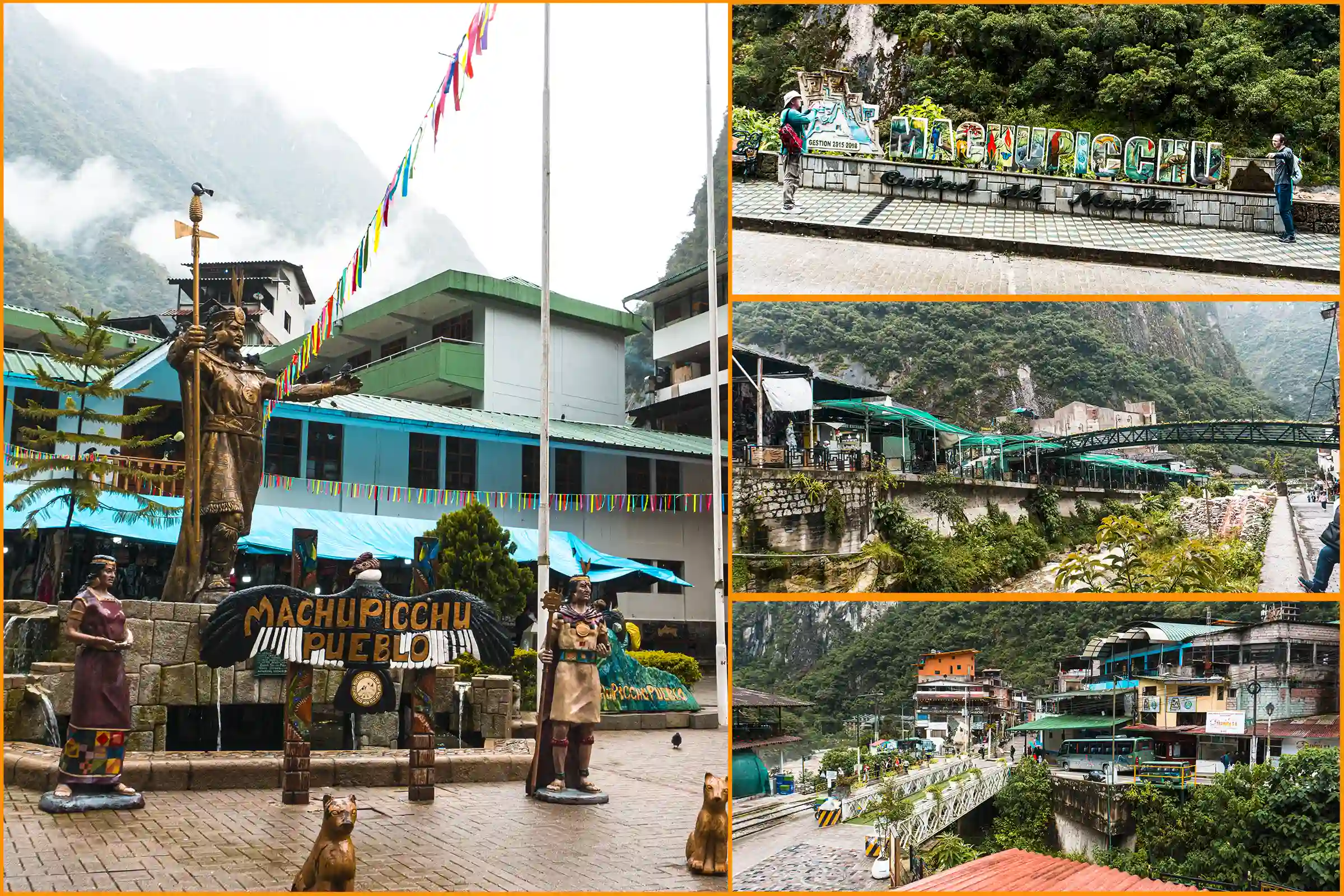
Machu Picchu Pueblo, internationally known as Aguas Calientes, is one of the most important tourist destinations in the Cusco region of Peru. Nestled among lush green mountains, winding rivers, and cloud forests, this picturesque town serves as the main gateway to the Historic Sanctuary of Machu Picchu, one of the world’s most extraordinary archaeological wonders.
For travelers eager to discover Andean history, nature, and culture, Aguas Calientes offers much more than a place to pass through. Its lively streets, restaurants, artisan markets, natural hot springs, scenic walking trails, and tourist services make it an ideal destination to complement a visit to Machu Picchu.
In this comprehensive guide by HL Transportes Turísticos Cusco, you’ll discover everything you need to know about Machu Picchu Pueblo, including its history, location, climate, main attractions, activities, local cuisine, transportation options from Cusco, practical travel tips, and recommendations for planning an unforgettable trip.
-
What Is Machu Picchu Pueblo, or Aguas Calientes?
Machu Picchu Pueblo is a town in the district of Machupicchu, Urubamba Province, in the Cusco region of Peru. It lies in the Andean cloud forest, surrounded by mountains and the lush tropical vegetation characteristic of the eastern slopes of the Andes.
The town is popularly known as Aguas Calientes because of the natural thermal springs found nearby. Its economy is closely connected to tourism, particularly visitors traveling to explore the Inca citadel of Machu Picchu.
Unlike Cusco and the Sacred Valley, which generally feature drier Andean landscapes, Aguas Calientes has a more humid, warm, and subtropical environment, with abundant vegetation throughout much of the year.
Why visit Aguas Calientes?
- It’s the main tourist gateway to Machu Picchu.
- It offers a convenient place to rest before or after exploring the Inca citadel.
- It features natural hot springs, hiking opportunities, and scenic attractions.
- It has a wide selection of hotels, restaurants, cafés, and artisan shops.
- It offers a different landscape from other destinations in the Cusco region.
-
Where Is Machu Picchu Pueblo Located?
Machu Picchu Pueblo is located in the Vilcanota River Valley, also known as the Urubamba Valley in this area. The town sits at the foot of lush, forest-covered mountains and near the Historic Sanctuary of Machu Picchu.
- Location: Machupicchu District, Urubamba Province, Cusco, Peru.
- Approximate elevation: 2,040 meters (6,693 feet) above sea level.
- Natural environment: Cloud forests, mountains, rivers, waterfalls, and subtropical vegetation.
- Main access: Train services from Ollantaytambo or other authorized stations, depending on the service and season.
One important feature of Machu Picchu Pueblo is that it isn’t connected to Cusco or Ollantaytambo by a conventional road accessible to private vehicles. Therefore, most visitors travel by road to a railway station and then continue by train to Aguas Calientes.
-
The History of Machu Picchu Pueblo
Unlike the ancient Inca citadel, Machu Picchu Pueblo is a relatively modern settlement. Its growth is primarily associated with the development of the railway in the Urubamba Valley and the expansion of tourism to Machu Picchu during the 20th century.
Origins and development
Before becoming a major tourist center, the area was part of a remote rural landscape characterized by mountains, rivers, and dense vegetation. The arrival of the railway encouraged the settlement’s formation and expansion, gradually attracting workers, merchants, and travelers.
In 1911, Hiram Bingham’s expedition brought greater international attention to Machu Picchu. However, the citadel was already known to local residents and people connected to the region before his expedition.
Over the following decades, increasing visitor numbers encouraged the development of hotels, restaurants, markets, and other tourist services. What began as a small railway settlement gradually evolved into the main service center for travelers visiting the sanctuary.
Machu Picchu Pueblo today
Today, the town is an internationally recognized tourist destination. Its economy includes accommodation, gastronomy, tourist transportation, retail, guiding, and services related to Machu Picchu’s cultural and natural heritage.
It’s important to distinguish between these two destinations: Machu Picchu Pueblo is the modern town where visitors stay, while Machu Picchu is the ancient Inca archaeological site located in the mountains above the town.
-
The Main Tourist Attractions in Machu Picchu Pueblo
Aguas Calientes offers several attractions to explore before or after visiting the Inca citadel. These sites allow visitors to enjoy nature, learn about local history, and discover a lesser-known side of this remarkable destination.
Aguas Calientes Hot Springs
These thermal baths are among the town’s best-known attractions. The mineral-rich pools are surrounded by mountains and lush vegetation, offering a relaxing place to unwind after a hike or archaeological visit. The complex features several pools at different temperatures.
Best for: relaxation, unwinding, and wellness tourism.
Manuel Chávez Ballón Site Museum
This museum helps visitors better understand Machu Picchu’s history, archaeological research, the daily lives of its former inhabitants, and the relationship between cultural heritage and the natural environment. Its exhibits include archaeological objects and interpretive displays.
Best for: travelers interested in history, archaeology, and Inca culture.
Official information: Museums of Peru’s Ministry of Culture.
Mandor Gardens and Waterfall
Mandor is an excellent option for ecotourism enthusiasts. The trail passes through subtropical vegetation, where visitors may observe plants, flowers, birds, and butterflies. The walk leads to a waterfall surrounded by beautiful natural scenery.
Best for: hiking, nature photography, and birdwatching.
Machu Picchu Pueblo Artisan Market
Located near the railway station, the market offers textiles, alpaca clothing, souvenirs, jewelry, handicrafts, and products inspired by Andean culture. It’s a great place to shop for a memorable souvenir of your trip.
Best for: shopping, traditional crafts, and discovering local commerce.
Machu Picchu Butterfly Garden
This space dedicated to butterflies introduces visitors to different local species and explains their life cycles. It’s an interesting activity for travelers who want to learn more about the biodiversity of the cloud forest.
Best for: families, photography, and nature tourism.
Putucusi Mountain
Putucusi is part of the spectacular mountain scenery surrounding the town. Its distinctive silhouette can be seen from several points throughout the valley. Although it’s associated with adventure activities, access can be difficult, and trails may be restricted or dangerous.
Best for: enjoying the scenery from safe viewpoints and landscape photography.
Manco Cápac Main Square and Town Streets
The main square is an excellent starting point for exploring the town on foot. From here, visitors can stroll through shopping streets, admire the local architecture, and discover restaurants, cafés, and small tourism-related businesses.
Best for: leisurely walks, photography, and experiencing local life.
-
Things to Do in Aguas Calientes
Beyond visiting the main attractions, you can enjoy a variety of activities depending on how much time you have available.
- Relax in the hot springs: A popular way to unwind after a day of hiking.
- Explore the town on foot: The main streets, shops, and central areas are easy to explore on foot.
- Visit the archaeological museum: An excellent way to prepare for your visit to Machu Picchu and better understand its history.
- Hike to Mandor: A rewarding experience for nature lovers with enough time for an additional excursion.
- Shop for Peruvian handicrafts: Browse textiles, souvenirs, and products sold by local merchants.
- Enjoy regional cuisine: Discover Peruvian dishes, Cusco specialties, and international dining options.
- Photograph the scenery: Capture views of the Vilcanota River, bridges, and mountains surrounding the town.
- Discover local biodiversity: Look for birds, butterflies, and diverse plant species along the trails and in green spaces.
If you only have a few hours, we recommend prioritizing a walk around town and one nearby attraction. If you stay overnight, you’ll have more time to enjoy the destination without rushing between activities on the same day as your Machu Picchu visit.
-
The Climate in Machu Picchu Pueblo
Aguas Calientes generally has a warm, humid climate, with seasonal rainfall and temperatures that can vary throughout the day. Its location on the eastern slopes of the Andes, within the cloud forest environment, explains the lush vegetation and frequent mist.
Dry season: April to October
This period is often favorable for hiking and outdoor activities, although occasional rainfall is still possible. June, July, and August coincide with peak tourist demand in Cusco and Machu Picchu.
Advantages:
- A greater likelihood of clear days.
- Generally favorable conditions for walking and hiking.
- Excellent opportunities for landscape photography.
Rainy season: November to March
Rainfall and humidity increase during these months. The landscape often looks especially green and lush, but trails can become slippery, and heavy rain may affect transportation.
Advantages and considerations:
- Abundant vegetation and beautiful tropical scenery.
- Some dates may have fewer visitors.
- Bring a waterproof jacket and shoes with good traction.
- Check official updates regarding trains, trails, and access restrictions.
Months – General conditions – Recommendation
- April and May: Transition toward drier conditions and an excellent period to plan a visit.
- June to August: Dry season, high tourist demand and Book in advance.
- September and October: Transitional weather, occasional rain and Pack clothing for changing conditions.
- November to March: Higher humidity and frequent rainfall and Bring waterproof clothing and check local conditions.
These periods are general guidelines rather than a weather forecast. Conditions in the mountains can change quickly.
-
What Is the Best Time to Visit Aguas Calientes?
The best time depends on your preferences and the type of experience you’re looking for.
- For hiking and outdoor exploration: April through October is generally a good choice.
- For lush green scenery: The rainy season offers abundant vegetation.
- For an early visit to Machu Picchu: Consider staying overnight in town, regardless of the season.
- For holiday travel: Book your train tickets, accommodation, and Machu Picchu entrance tickets well in advance.
Keep in mind that visiting Aguas Calientes and exploring the citadel are related but different experiences. Access to the citadel requires a separate entrance ticket and is subject to the applicable circuits, entry times, and visitor regulations.
-
How to Get to Machu Picchu Pueblo from Cusco
The usual route from Cusco combines ground transportation with a train journey. Total travel time depends on the departure station, railway service, and operating conditions.
Option 1. Private Ground Transportation and Train from Ollantaytambo
This is a convenient option for travelers who prefer a comfortable, privately arranged transfer.
- Depart from Cusco in a private tourist vehicle.
- Travel by road to Ollantaytambo, passing through the scenic Sacred Valley.
- Arrive at the railway station and board your pre-booked train.
- Travel by train to Machu Picchu Pueblo.
- Arrive in Aguas Calientes and walk to your accommodation or designated meeting point.
The road journey from Cusco usually takes approximately 1.5 to 2 hours, depending on traffic and stops. The train journey from Ollantaytambo may take approximately 1.5 to 2 hours, depending on the service.
This option is particularly attractive for HL Transportes Turísticos Cusco, as it allows the company to coordinate private transportation from a Cusco hotel or the airport to the railway station, with pickup times aligned with the passenger’s train departure.
Option 2. Train Services from Cusco
Depending on the service and season, some itineraries depart from railway stations in Cusco, such as San Pedro or Wanchaq, while others include a connecting ground transfer.
Always confirm the departure point stated on your ticket. Not all services operate from the same station or run throughout the year.
Option 3. The Hydroelectric Route
Some travelers travel by road to the Hydroelectric station area and continue to Machu Picchu Pueblo by train or on foot along permitted sections of the railway route.
This option generally requires more time and planning. Check current route conditions, available transportation, and safety restrictions before choosing it. Machupicchu by car.
Which Route Do We Recommend?
For travelers who prioritize comfort, coordination, and time efficiency, we recommend arranging a private transfer from Cusco to Ollantaytambo, followed by a train journey to Machu Picchu Pueblo.
Travelers should arrive at the station according to the railway operator’s recommended check-in time and verify departure schedules, luggage limits, and boarding requirements before leaving.
-
How to Get from Aguas Calientes to the Machu Picchu Citadel
Once you arrive in Machu Picchu Pueblo, there are two common ways to reach the entrance of the sanctuary: by shuttle bus or on foot along the uphill trail.
By bus: The shuttle service operates along the Hiram Bingham Road. The journey usually takes approximately 25–30 minutes, depending on traffic and road conditions. It’s a convenient option for travelers who prefer to save their energy for exploring the archaeological site.
On foot: The uphill route follows steep steps and trails. The climb may take approximately 1–2 hours, depending on your fitness level, walking pace, and trail conditions.
Your choice will depend on your physical condition, entrance time, and available schedule. It’s important to leave enough time to reach the entrance because admission to Machu Picchu is tied to a specific time slot and circuit.
Machu Picchu Tickets: Important Tips
- Purchase your entrance ticket in advance, especially during peak season.
- Check the available circuits before selecting your ticket.
- Confirm your entry time and calculate how long you’ll need to reach the archaeological site’s entrance from town.
- Remember that a train ticket and a Machu Picchu entrance ticket are separate services.
- Check the official Ministry of Culture portal for current ticketing rules and availability.
Purchase Official Machu Picchu Entrance Tickets.
-
Food and Gastronomy in Machu Picchu Pueblo
Local cuisine is another important part of the Aguas Calientes experience. The town offers restaurants serving Peruvian and regional dishes, international cuisine, cafés, and dining options for different budgets.
Some dishes worth trying during your visit include:
- Trout: Prepared grilled or fried and often served with potatoes and vegetables.
- Lomo saltado: A classic Peruvian stir-fry made with beef, onions, tomatoes, and French fries.
- Ají de gallina: A traditional Peruvian chicken dish served in a creamy yellow chili sauce.
- Quinoa soup: A comforting option, especially after a long walk or hike.
- Roasted guinea pig (cuy): A traditional specialty in several Andean regions, available at selected restaurants.
- Peruvian coffee: An excellent choice for breakfast or an afternoon break.
- Local desserts and beverages: A pleasant way to discover regional flavors.
Prices vary depending on the restaurant, location, and season. For a comfortable dining experience, review the menu and prices before ordering.
-
Where to Stay in Aguas Calientes
Machu Picchu Pueblo offers a wide range of accommodation, from budget-friendly hostels to comfortable hotels and higher-end properties.
Types of Accommodation
Budget hostels and guesthouses: Ideal for travelers seeking practical accommodation at an affordable price.
Mid-range hotels: A balanced option for couples, families, and travelers who want a comfortable stay before visiting the citadel.
Upscale hotels: These properties offer additional comforts and, depending on the establishment, restaurants, relaxation areas, and views of the surrounding landscape.
Is It Worth Staying Overnight in Aguas Calientes?
Yes. Spending one night in town allows you to arrive comfortably, rest, and take an early bus to Machu Picchu the following morning. It also gives you time to visit the hot springs, artisan market, or museum.
If you’re traveling from Cusco and returning on the same day, you’ll need to coordinate your ground transportation, round-trip train tickets, Machu Picchu entrance time, and shuttle bus schedule carefully. Staying overnight generally offers greater flexibility and a more relaxed experience.
-
Recommended Itinerary: Two Days in Machu Picchu Pueblo
This itinerary combines private transportation, train travel, accommodation, and a visit to the Inca citadel.
Day 1: Cusco – Ollantaytambo – Aguas Calientes
Morning.
Depart from Cusco in a private vehicle and travel toward Ollantaytambo. Enjoy the scenic drive through the Sacred Valley and arrive at the railway station with sufficient time before departure.
Midday or afternoon
Take the train to Machu Picchu Pueblo, check in to your accommodation, and enjoy some free time to have lunch and explore the town center.
Afternoon
Visit the hot springs, artisan market, or town streets, depending on your arrival time.
Evening
Enjoy dinner and rest at your hotel before the following day’s visit.
Day 2: Visit Machu Picchu and Return to Cusco
Early morning
Have breakfast and head to the shuttle bus station or begin the uphill walk, allowing enough time to meet your scheduled entrance time.
Morning
Explore the archaeological site with a guide, following the authorized circuit. Discover the agricultural terraces, Inca architecture, and principal areas accessible with your ticket.
Midday or afternoon
Return to Machu Picchu Pueblo, have lunch, and allow enough time to reach the railway station.
Afternoon or evening
Take the return train and continue by private ground transportation from Ollantaytambo to Cusco, according to your booking.
Important: This is a suggested itinerary. Actual schedules must be adjusted to train availability, archaeological circuit entry times, and accommodation arrangements.
-
Travel Tips for Visiting Machu Picchu Pueblo
To make the most of your visit, keep the following recommendations in mind:
- Book in advance. Purchase train tickets and Machu Picchu entrance tickets before finalizing the details of your itinerary.
- Travel with light luggage. Check the railway operator’s baggage allowance and, when possible, leave larger bags at an authorized storage facility.
- Wear comfortable footwear. Streets, stairs, and trails may be wet or slippery.
- Bring waterproof clothing. Rain can occur even during the relatively dry months.
- Protect your travel documents. Keep your passport or identification document secure and accessible.
- Carry cash and an additional payment method. Card acceptance varies between establishments.
- Allow enough time for transfers. Avoid booking a return train too close to your planned departure from Machu Picchu.
- Respect the cultural and natural heritage. Don’t leave litter, feed wildlife, or ignore site regulations.
- Check opening hours for secondary attractions. Museums, hot springs, and trails may have specific access requirements.
- Choose reliable services. Confirm transportation arrangements, accommodation details, and service conditions before making payments.
-
What Types of Travelers Should Visit Aguas Calientes?
Machu Picchu Pueblo is an excellent destination for a wide range of travelers.
- International visitors: An essential stop for anyone planning to explore Machu Picchu and Peru’s cultural heritage.
- Couples: The town offers hotels, restaurants, and scenic places to enjoy together.
- Families: Visitors can find accommodation and cultural and nature-based activities suited to different ages.
- History enthusiasts: The museum and proximity to the sanctuary provide opportunities to learn more about the Inca civilization.
- Photographers and nature lovers: Mountains, mist, waterfalls, and biodiversity offer excellent photographic opportunities.
- Hikers and adventure travelers: Several hiking options are available, provided trail conditions and restrictions are checked in advance.
- Travelers seeking comfort: Staying overnight helps reduce time pressure and makes an early visit to the citadel easier.
-
Why Arrange Your Transfer with HL Transportes Turísticos Cusco?
Transportation planning is an essential part of any trip to Machu Picchu. For travelers departing from Cusco, a private transfer to Ollantaytambo can simplify coordination with train schedules and provide a more personalized travel experience.
HL Transportes Turísticos can position its private tourist transportation services as a convenient alternative for travelers seeking comfort, flexibility, and coordinated transfers throughout Cusco and the Sacred Valley.
Key service features to highlight on your business website include:
- Private transfers from hotels or agreed pickup locations in Cusco.
- Ground transportation to Ollantaytambo for train connections.
- Pickup time coordination based on the passenger’s railway itinerary.
- Vehicle options based on group size and luggage requirements.
- The possibility of combining transfers with visits to other Sacred Valley attractions when schedules and travel arrangements allow.
The main value proposition is helping travelers connect comfortably from Cusco to the railway service to Machu Picchu Pueblo. Be sure to advertise only the services, vehicles, and arrangements that your company actually provides.
-
Frequently Asked Questions About Machu Picchu Pueblo (Aguas Calientes)
These FAQs are designed to answer common traveler questions and strengthen the SEO performance of the HL Transportes Turísticos travel blog.
-
Are Machu Picchu Pueblo and Aguas Calientes the same place?
Yes. Aguas Calientes is the popular name for Machu Picchu Pueblo, the town where trains arrive and from which visitors access the archaeological sanctuary.
-
What is the elevation of Machu Picchu Pueblo?
The town is located approximately 2,040 meters (6,693 feet) above sea level, although some official sources report slightly different elevations depending on the specific measurement point.
-
How much time do you need to explore Aguas Calientes?
You can explore the town center in a few hours. If you also want to visit the hot springs, museum, or Mandor Gardens, it’s advisable to allow half a day or more.
-
Can you visit Machu Picchu Pueblo without entering the citadel?
Yes. You can explore the town, visit the hot springs, browse the artisan market, enjoy local restaurants, and discover nearby natural attractions without purchasing an entrance ticket to the citadel.
-
How do you get from Cusco to Aguas Calientes?
One of the most common routes involves traveling by road from Cusco to Ollantaytambo and continuing by train to Machu Picchu Pueblo. Travel times depend on the services booked.
-
How many days should you spend in Aguas Calientes?
One night is usually enough to explore the town and visit Machu Picchu the following day. Two nights allow you to enjoy additional attractions at a more relaxed pace.
-
What is the best time to visit Machu Picchu pueblo Aguas Calientes?
April through October is generally a good period for outdoor activities, although rain can occur at any time. From November through March, the vegetation is lush and rainfall is more frequent.
-
Are there hotels and restaurants in Machu Picchu Pueblo?
Yes. The town offers accommodation in different categories, restaurants serving Peruvian and international cuisine, cafés, and shops for visitors.
-
Do you need an entrance ticket to visit Machu Picchu?
Yes. You need a valid ticket for the specific date, entry time, and circuit. A train ticket does not replace admission to the archaeological site.
-
Is it worth booking private transportation from Cusco?
Private transportation can be an excellent option if you’re looking for comfort and an organized connection to the train from Ollantaytambo. Pickup times should be coordinated with the railway schedule.
-
What should you bring when visiting Aguas Calientes?
Bring comfortable clothing, shoes with good traction, a waterproof jacket, sunscreen, insect repellent, drinking water, and identification documents. If you plan to visit the hot springs, bring swimwear and a towel.
-
Is Aguas Calientes suitable for families?
Yes. Families can enjoy walks around town, local food, handicrafts, and cultural activities. Hiking routes should be selected according to the age and fitness level of each family member.