

Pallay Poncho Rainbow Mountain Peru – Complete Travel Guide
-
Introduction to Pallay Poncho Rainbow Mountain
Discover one of the most spectacular and lesser-known natural attractions in the southern Andes of Peru: Pallay Poncho Rainbow Mountain, also known as Pallay Poncho’s Mountain of Seven Colors, or Apu T’aqllo Apacheta.
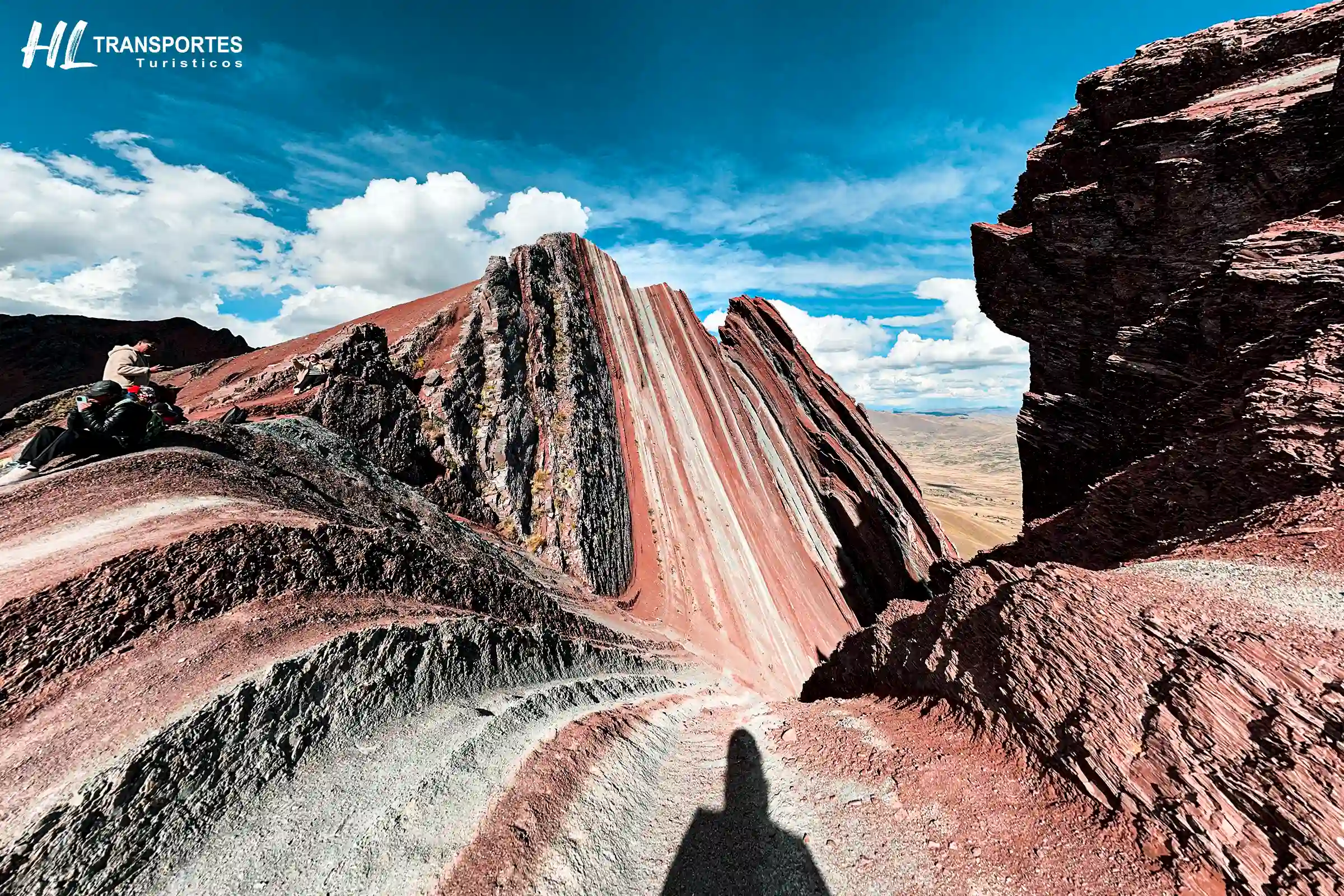
Located in the Canas province of the Cusco region, Pallay Poncho rainbow mountain is a remarkable mountain landscape famous for its colorful geological formations, sharp ridges, and dramatic peaks that resemble the shape of a traditional Andean poncho. Its striking combination of red, orange, brown, yellow, and green tones creates an extraordinary natural spectacle against the beautiful backdrop of the Peruvian Andes.
Unlike some of the more frequently visited attractions around Cusco, Pallay Poncho offers a more remote and adventurous experience. Visitors can admire impressive mountain scenery, explore the high-altitude Andean environment, and discover the traditional communities and cultural heritage of southern Cusco.
With HL Transportes Turísticos Cusco, you can enjoy a private Pallay Poncho Rainbow Mountain tour, traveling comfortably through the Andean countryside with personalized transportation and a professional guide.
-
Where Is Pallay Poncho Rainbow Mountain Located?
Pallay Poncho Rainbow Mountain is located near the district of Layo, in the province of Canas, approximately 160–200 kilometers southeast of Cusco, depending on the route and starting point.
The mountain rises above the Andean landscape near Langui-Layo Lagoon, surrounded by high-altitude grasslands, traditional farming communities, and spectacular mountain ranges.
Its remote location makes the journey part of the adventure, offering travelers the opportunity to discover a different side of the Cusco region beyond the classic tourist circuit.
Location details:
- Region: Cusco, Peru.
- Province: Canas.
- District: Layo.
- Nearby attraction: Langui-Layo Lagoon.
- Environment: High-altitude Andean Mountain landscape.
- Recommended experience: Private full-day excursion.
-
Why Is Pallay Poncho Mountain So Special?
Pallay Poncho stands out because of its unusual geological formations and colorful mountain slopes. Its name is associated with the traditional Andean poncho, a garment deeply connected to local identity and cultural heritage.
The mountain’s distinctive appearance is characterized by:
- Colorful geological formations: Different mineral compositions and sedimentary layers create striking shades of red, ochre, yellow, brown, and green.
- Sharp mountain ridges: Its pointed, serrated formations give the landscape a unique appearance, making it different from other Rainbow Mountains in Peru.
- Traditional Andean scenery: The surrounding highlands feature open grasslands, grazing areas, small communities, and expansive mountain views.
- Spectacular photography opportunities: Its unusual shapes, contrasting colors, and panoramic viewpoints make it an excellent destination for landscape photography.
-
The Geological Formation of Pallay Poncho
The colorful appearance of Pallay Poncho is the result of millions of years of geological processes.
The mountain contains sedimentary rock layers with different mineral compositions that have been exposed through erosion and natural weathering. Variations in iron oxides and other minerals contribute to its distinctive colors.
These geological formations create a fascinating natural landscape where each mountain slope reveals different shades and textures.
For travelers interested in geology and natural landscapes, Pallay Poncho offers an opportunity to appreciate the geological diversity of the Peruvian Andes.
-
Altitude of Pallay Poncho Rainbow Mountain
Pallay Poncho is situated at approximately 4,700–4,900 meters (15,420–16,076 feet) above sea level, depending on the viewpoint and route.
Because of its considerable altitude, visitors should take precautions to reduce the risk of altitude sickness.
Recommendations for visitors:
- Spend at least one or two days acclimatizing in Cusco before visiting.
- Drink plenty of water throughout the journey.
- Avoid excessive physical activity before the excursion.
- Wear warm clothing, as temperatures can change quickly.
- Walk slowly and take breaks when necessary.
- Consult a healthcare professional if you have concerns about traveling to high altitudes.
Pallay Poncho is best suited to travelers who are comfortable with high-altitude environments and are prepared for changing mountain conditions.
-
Langui-Layo Lagoon – A Natural Attraction Along the Route
One of the most beautiful natural attractions in the area is Langui-Layo Lagoon, a large high-altitude lake surrounded by Andean mountains and traditional rural communities.
Its peaceful atmosphere and expansive landscape provide a beautiful contrast to the colorful mountain formations of Pallay Poncho.
Depending on the itinerary, travelers can enjoy panoramic views of the lagoon, photograph the surrounding mountains, and appreciate the natural beauty of the Canas province.
-
Best Time to Visit Pallay Poncho Rainbow Mountain
The best time to visit Pallay Poncho is generally during the dry season, from May to October, when rainfall is usually lower and mountain views are often clearer.
- Dry season: May–October. Generally clearer skies and less rainfall
- Rainy season: November–April. More rain, clouds, and potentially muddy trails
Recommended months:
- May and June: Beautiful landscapes and generally favorable weather.
- July and August: Often clearer skies, but colder mornings and nights.
- September and October: A good balance of weather and fewer visitors in some periods.
Weather in the Andes can change rapidly, so favorable conditions cannot be guaranteed even during the dry season.
-
How to Get to Pallay Poncho from Cusco
The journey from Cusco to Pallay Poncho is an adventure through the beautiful southern Andes. The main access route passes through Sicuani and continues toward the district of Layo.
Recommended route:
- Cusco to Sicuani: Travel south through the Andean countryside, passing traditional villages, agricultural landscapes, and mountain scenery.
- Sicuani to Layo: Continue toward the province of Canas, enjoying views of the rural highlands.
- Layo to Pallay Poncho: Continue along a local unpaved road toward the mountain access area. The final section includes a hike to the panoramic viewpoints.
According to Peru’s official tourism inventory, the attraction is accessed through an unpaved road from Layo followed by a walking trail toward the Cóndor Sayana sector. Access conditions and the available vehicle drop-off point can affect the hiking distance.
Travel tip: A private vehicle provides greater flexibility, allowing travelers to enjoy scenic stops and organize the journey according to their preferences.
-
Hiking Experience at Pallay Poncho Rainbow Mountain
The hike to Pallay Poncho is one of the most exciting parts of the experience. The trail leads visitors through a high-altitude mountain environment, gradually revealing spectacular views of its colorful ridges and surrounding landscapes.
The final ascent can be steep and physically demanding, especially because of the altitude. Depending on the access route, starting point, weather, and walking pace, the hike may take approximately 45 minutes to an hour or longer.
At the viewpoints, visitors can admire:
- The impressive multicolored mountain formations.
- The sharp, textile-like mountain ridges.
- Panoramic views of Langui-Layo Lagoon.
- The vast Andean mountain range.
- Traditional highland landscapes and grazing areas.
Reaching the viewpoint is a rewarding experience for travelers who enjoy nature, photography, and outdoor adventures.
-
Flora and Fauna Around Pallay Poncho
The natural environment surrounding Pallay Poncho is characterized by high-altitude ecosystems, where vegetation and wildlife have adapted to cold temperatures, strong winds, and limited oxygen.
Flora
The surrounding landscape features native Andean vegetation, including ichu grass and other high-altitude plant species. These plants are essential to the local ecosystem and provide grazing areas for domestic camelids.
Fauna
Depending on the season and location, visitors may encounter:
- Alpacas and llamas grazing in the highlands.
- Andean birds flying over the mountain slopes.
- Vicuñas in suitable natural habitats.
- Other wildlife adapted to the high-altitude environment.
The official tourism inventory also identifies species such as the Andean condor and puma in the wider natural environment. However, sightings are not guaranteed.
-
Cultural Importance of Pallay Poncho
Pallay Poncho is not only a beautiful natural attraction but also a destination connected to the cultural identity of the Andean communities.
The name Pallay Punchu refers to a decorated or patterned poncho, reflecting the resemblance between the mountain’s colorful geological layers and traditional Andean textiles.
In the southern Cusco highlands, traditional clothing, weaving techniques, agriculture, and livestock raising remain important elements of community life.
Visitors can appreciate the relationship between the natural landscape and the cultural traditions of the region, making this excursion an opportunity to discover both the natural and cultural richness of the Andes.
-
Responsible Tourism at Pallay Poncho
Pallay Poncho is a fragile natural attraction that deserves special care and protection. Its colorful geological formations and delicate mountain slopes can be affected by uncontrolled tourism and erosion.
To help preserve this extraordinary destination:
- Follow the designated walking trails.
- Avoid climbing or walking directly over fragile geological formations.
- Do not remove rocks, minerals, or plants.
- Take all your rubbish back with you.
- Respect local communities and their customs.
- Follow the instructions of your professional guide and local authorities.
- Support responsible tourism initiatives and local services.
Preserving Pallay Poncho helps ensure that future generations can continue enjoying this remarkable natural wonder.
-
Experience Pallay Poncho with HL Transportes Turísticos Cusco
Discover the extraordinary beauty of Pallay Poncho Rainbow Mountain with HL Transportes Turísticos Cusco.
Our private tours are designed for travelers who want to explore the southern Andes comfortably, safely, and at their own pace. Enjoy a personalized travel experience with private transportation and the assistance of a professional guide.
Our private Pallay Poncho experience can include:
- Private transportation from your hotel in Cusco.
- Personalized departure times.
- Professional tour guide in English, Spanish, or Portuguese.
- Scenic stops along the Andean route.
- A visit to Pallay Poncho’s spectacular viewpoints.
- Time to enjoy the mountain scenery and take photographs.
- Personalized assistance throughout the excursion.
Whether you are an adventure enthusiast, a nature lover, or a photographer, Pallay Poncho offers an unforgettable opportunity to discover one of the most fascinating landscapes in the Cusco region.
Explore the hidden colors of the Andes with HL Transportes Turísticos Cusco – Your Journey, Our Commitment.
-
Frequently Asked Questions About Pallay Poncho Rainbow Mountain
-
Where is Pallay Poncho Rainbow Mountain located?
Pallay Poncho is located in the district of Layo, Canas province, in the Cusco region of southern Peru. It is situated near Langui-Layo Lagoon, surrounded by beautiful Andean landscapes.
-
How high is Pallay Poncho Rainbow Mountain?
Pallay Poncho reaches approximately 4,850 meters (15,912 feet) above sea level, according to Peru’s official tourism inventory.
-
How far is Pallay Poncho Rainbow Mountain from Cusco?
It is approximately 190–200 kilometers from Cusco, depending on the access route. The journey generally takes several hours by road.
-
How difficult is the hike to Pallay Poncho Rainbow Mountain?
The hike ranges from moderate to challenging because of the high altitude, steep slopes, and uneven terrain. Good physical preparation and acclimatization are recommended.
-
How long does it take to hike Pallay Poncho Rainbow Mountain?
The final ascent can take approximately 45 minutes to one hour from certain access points. The total walking time varies according to the route, starting point, weather, and physical condition of each visitor.
-
What is the best time of year to visit Pallay Poncho Rainbow Mountain?
The dry season, from May to October, is generally the best time to visit because it offers better chances of clear skies, less rainfall, and good visibility.
-
Can I visit Pallay Poncho Rainbow Mountain in the rainy season?
Yes. However, between November and April, rain, fog, and slippery trails can make the excursion more challenging. Weather conditions should be checked before departure.
-
Do I need to acclimatize before visiting Pallay Poncho Rainbow Mountain?
Yes. Since the mountain is located at approximately 4,850 meters, visitors should spend at least two or three days acclimatizing in Cusco or another high-altitude destination before attempting the hike.
-
Is Pallay Poncho Rainbow Mountain suitable for children and older adults?
Yes, children aged 5 and older must be under the strict and constant supervision of an adult. Children under 5 years old must be carried by an adult throughout the hike. Extra caution is essential due to the mountain’s extremely steep slopes and exposed cliffs, where falls could have fatal consequences. Certain sections have vertical drops ranging from 50 to more than 300 meters. Older adults should carefully assess their health, physical fitness, and previous experience with high-altitude environments before undertaking this excursion.
-
Can I visit Pallay Poncho Rainbow Mountain on a private tour from Cusco?
Absolutely! A private Pallay Poncho Rainbow Mountain tour with HL Transportes Turísticos Cusco offers personalized transportation, flexible departure times, and the assistance of a professional guide. It is an excellent option for travelers seeking a more comfortable and personalized experience.