

Chinchero Cusco: Travel Guide to Inca Ruins, Traditional Textiles, and Andean Culture
Chinchero Cusco is one of the most fascinating cultural destinations in Peru’s Sacred Valley of the Incas. Known for its rich Inca heritage, breathtaking Andean landscapes, colonial architecture, and renowned textile traditions, this charming village offers visitors an authentic experience of Peruvian history and culture.
For travelers looking to explore beyond the most famous tourist attractions, Chinchero is an excellent destination to discover ancient Inca structures, visit traditional weaving workshops, explore local artisan markets, and enjoy panoramic views of the surrounding mountains.
With HL Transportes Turísticos, you can include Chinchero in a private Sacred Valley tour and explore this remarkable destination with comfort, flexibility, and personalized service.
-
General Information About Chinchero Cusco Peru
- Location: Urubamba Province, Cusco Region, Peru.
- Altitude: Approximately 3,750 meters (12,303 feet) above sea level.
- Distance from Cusco: Approximately 30 km (19 miles).
- Travel time from Cusco: Around 45 minutes to 1 hour by road, depending on traffic and road conditions.
- Main attractions: Inca archaeology, traditional textiles, history, handicrafts, and Andean landscapes.
Chinchero is located on an Andean plateau northwest of Cusco city. Its strategic location makes it an excellent stop on a Sacred Valley itinerary, especially when combined with Moray, the Maras Salt Mines, and Ollantaytambo.
-
History of Chinchero Peru
Chinchero has a history that predates the Inca Empire. Archaeological remains indicate that the area was inhabited by communities associated with the Killke culture, which practiced agriculture and raised South American camelids.
Later, during the reign of the Inca ruler Túpac Yupanqui, Chinchero became an important settlement associated with the Inca elite. Palaces, ceremonial spaces, and agricultural terraces were constructed to take advantage of the mountainous terrain.
One of the most remarkable features of Chinchero is the coexistence of Inca and colonial architecture. Colonial buildings were constructed over or alongside pre-Hispanic structures, reflecting the different historical periods that shaped the region.
Today, Chinchero preserves important evidence of Inca engineering and the cultural continuity of Andean communities.
-
Top Tourist Attractions in Chinchero
Chinchero Archaeological Site
The Chinchero Archaeological Park preserves ancient stone walls, residential and ceremonial structures, and agricultural terraces. Its design demonstrates how the Incas adapted their architecture to the mountainous landscape and developed sophisticated agricultural techniques.
Visitors can explore the archaeological remains while enjoying panoramic views of the surrounding countryside.
Chinchero Colonial Church
Located near the main square, the colonial church is known for its historic architecture and religious artwork. It represents an important example of the cultural and artistic influences that emerged following the Spanish conquest.
The church and the surrounding Inca structures offer visitors a unique perspective on the region’s layered history.
Traditional Textile Centers
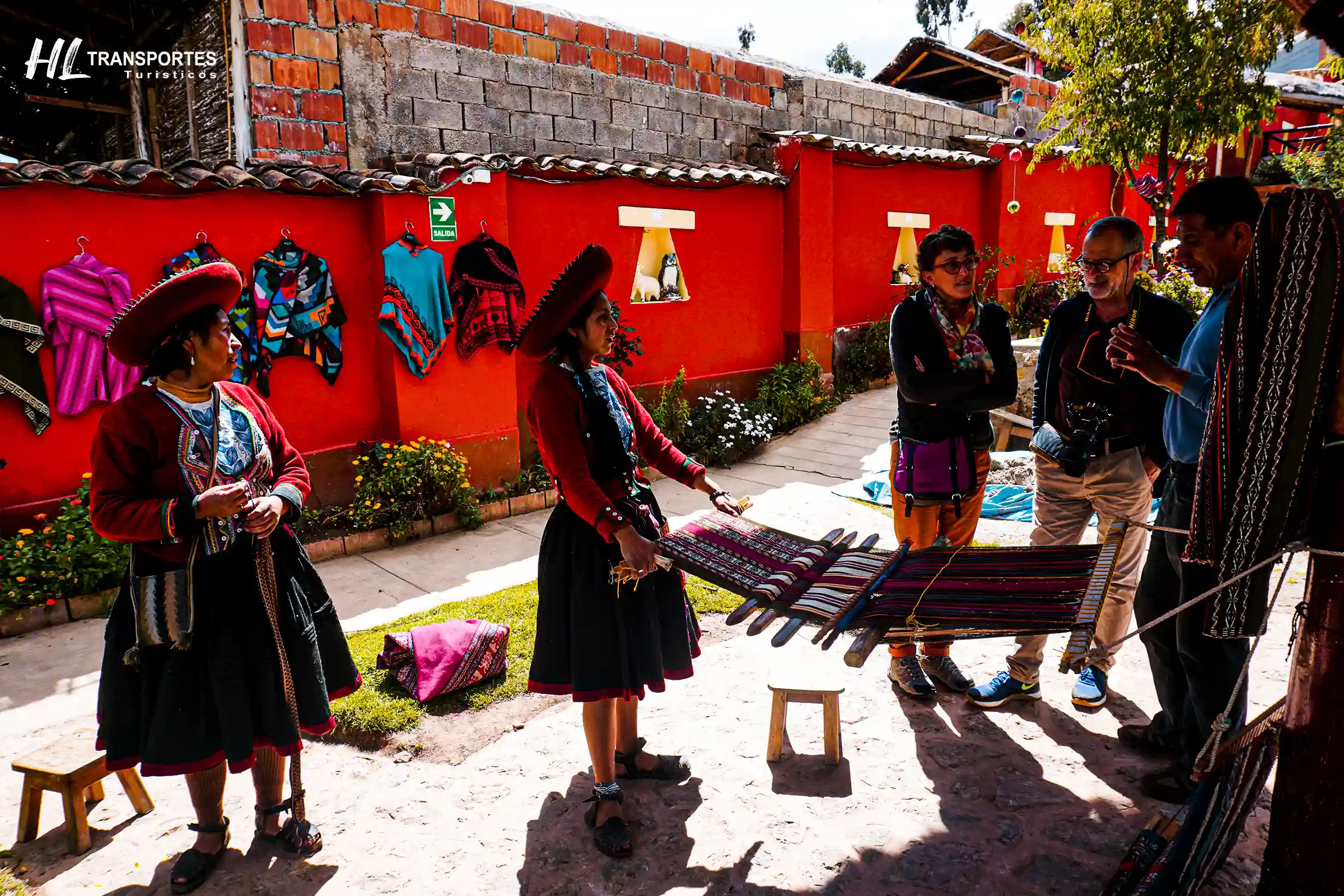
Chinchero is famous for its traditional weaving communities. Local artisans demonstrate ancestral techniques used to prepare fibers, spin wool, create natural dyes, and weave intricate textiles.
Visitors can learn about the cultural significance of traditional patterns while discovering the craftsmanship behind handmade garments, blankets, bags, and other products.
Chinchero Traditional Market
The market is particularly lively on Sundays, when local vendors sell textiles, handicrafts, agricultural products, and regional goods.
Some traditional bartering practices continue among local residents, making the market an interesting place to experience aspects of everyday Andean culture.
Andean Agricultural Terraces and Landscapes
The agricultural terraces and countryside surrounding Chinchero provide excellent opportunities to appreciate the region’s natural beauty.
Visitors can photograph the mountains, observe traditional farming landscapes, and learn about the historical relationship between Andean communities and the land.
-
Discover Chinchero’s Traditional Textile Art
One of Chinchero’s greatest cultural treasures is its textile heritage. Local families continue to preserve traditional techniques that form an important part of Quechua community identity.
During a visit to a traditional weaving center, travelers may discover the main stages of textile production.
- Fiber preparation: Selecting and preparing alpaca or sheep wool.
- Traditional spinning: Transforming fibers into yarn using manual techniques.
- Natural dyeing: Using plants, minerals, and other natural materials to create a range of colors.
- Hand weaving: Producing blankets, garments, bags, and other textiles on traditional looms.
- Understanding textile patterns: Learning about geometric designs and motifs inspired by nature and Andean culture.
Visiting these workshops offers an opportunity to appreciate the skill and dedication of local artisans. Purchasing handmade products directly from the makers can also help support local families and preserve traditional craftsmanship.
-
Things to Do in Chinchero Cusco
Chinchero offers a variety of activities for travelers interested in history, culture, handicrafts, and nature.
Explore Inca Archaeological Sites
Walk through the archaeological park, admire the ancient stonework, and discover how the Incas developed agricultural terraces and settlements in the Andean highlands.
Experience Traditional Textile Weaving
Visit a local weaving center to learn about ancestral textile techniques and meet artisans who continue to preserve these cultural traditions.
Visit the Artisan Market
Browse handmade textiles, traditional handicrafts, and regional products. Sunday is particularly recommended for travelers who want to experience the market at its liveliest.
Enjoy the Andean Landscapes
Take photographs of the surrounding mountains, agricultural fields, and rural scenery. Chinchero is an excellent destination for travelers who appreciate nature and authentic cultural experiences.
-
What Is the Best Time to Visit Chinchero Peru?
Chinchero can be visited throughout the year, although weather conditions vary by season.
April to October: Dry Season
This period generally offers drier weather and favorable conditions for sightseeing, outdoor activities, and photography.
November to March: Rainy Season
Rainfall is more frequent during these months, but the surrounding countryside often becomes greener and more vibrant. Visitors should be prepared for occasional showers and slippery surfaces.
Sunday Market
Sunday is particularly recommended for travelers interested in local handicrafts, traditional textiles, and the village’s market atmosphere.
Travel Tip
Bring a warm jacket, sunscreen, a hat, and a waterproof layer. Because Chinchero is located at a high altitude, it is advisable to walk slowly and allow your body time to adjust, especially if you have recently arrived in Cusco.
-
How to Get to Chinchero from Cusco
There are several ways to reach Chinchero from Cusco.
- Private transportation: Ideal for travelers who prefer flexible departure times, comfortable travel, and personalized stops.
- Public transportation: A more economical option, although it may require reaching designated departure points and making additional connections.
- Organized tours: A convenient choice for combining Chinchero with other Sacred Valley attractions.
Explore Chinchero with HL Transportes Turísticos Cusco
With HL Transportes Turísticos Cusco, you can arrange private transportation from your hotel in Cusco to Chinchero and continue to other destinations throughout the Sacred Valley.
A customized itinerary may include:
- Pickup from your hotel in Cusco.
- Private transfer to Chinchero.
- Visit to the archaeological park and colonial church.
- Cultural experience at a traditional textile center.
- Free time to explore the local market, if your visit coincides with market day.
- Continue to Moray, the Maras Salt Mines, or Ollantaytambo, depending on your itinerary.
Private transportation allows you to enjoy greater flexibility and spend more time at the attractions that interest you most, without relying on shared public transportation schedules.
-
Essential Tips for Visiting Chinchero
- Allow time to acclimatize: Chinchero sits at approximately 3,750 meters (12,303 feet) above sea level. Avoid strenuous activity if you have just arrived in Cusco.
- Wear comfortable shoes: Some archaeological areas have uneven surfaces and sloping paths.
- Carry cash: Cash can be useful for purchasing handicrafts and local products.
- Respect local traditions: Always ask permission before photographing people.
- Support local artisans: Purchasing directly from craftspeople helps support local families and traditional livelihoods.
- Check opening hours and admission requirements: Access conditions and ticket requirements may change, so verify current information before your visit.
- Protect the archaeological heritage: Avoid climbing on ancient walls or removing stones and other archaeological materials.
-
Frequently Asked Questions About Chinchero Peru
-
Where is Chinchero located in Peru?
Chinchero is located in the Urubamba Province of the Cusco region, approximately 30 kilometers (19 miles) northwest of Cusco city, along the route to the Sacred Valley.
-
How high is Chinchero above sea level?
Chinchero Cusco is situated at an approximate altitude of 3,750 meters (12,303 feet) above sea level. Visitors should walk at a comfortable pace and allow their bodies time to adjust to the altitude.
-
How long does it take to get from Cusco to Chinchero?
The drive generally takes around 45 minutes to one hour, depending on traffic, road conditions, and your pickup location.
-
What are the main attractions in Chinchero Cusco?
The main attractions include the Inca Archaeological Park, the colonial church, traditional textile workshops, the Sunday market, agricultural terraces, and the surrounding Andean landscapes.
-
Why is Chinchero famous for its textiles?
Chinchero is renowned for its traditional Andean weaving techniques. Local artisans preserve ancestral methods of spinning, natural dyeing, and weaving, passing their knowledge from generation to generation.
-
What is the best day to visit Chinchero’s market?
Sunday is generally the best day to experience the traditional market, when local vendors display textiles, handicrafts, and agricultural products. Some traditional bartering practices also continue among local residents.
-
What is the best time of year to visit Chinchero Cusco?
April through October generally offers drier weather and favorable conditions for outdoor sightseeing. November through March is usually rainier, although the surrounding countryside can be especially green.
-
Can I visit Chinchero and Moray on the same day?
Yes. Chinchero and Moray can be combined in a single-day itinerary, often alongside the Maras Salt Mines. A private tour allows you to customize the stops and schedule according to your interests.
-
Do I need a tourist ticket to visit Chinchero’s archaeological site?
Admission to the archaeological archaeological site is generally covered by the Cusco Tourist Ticket, depending on the ticket type and current admission rules. Check the latest requirements before your visit, as separate attractions may have different admission conditions.
-
Is a private tour to Chinchero worth it?
A private tour is an excellent option for travelers who value flexible departure times, comfortable transportation, and personalized stops. With HL Transportes Turísticos, you can combine Chinchero with other Sacred Valley attractions according to your travel plans.