

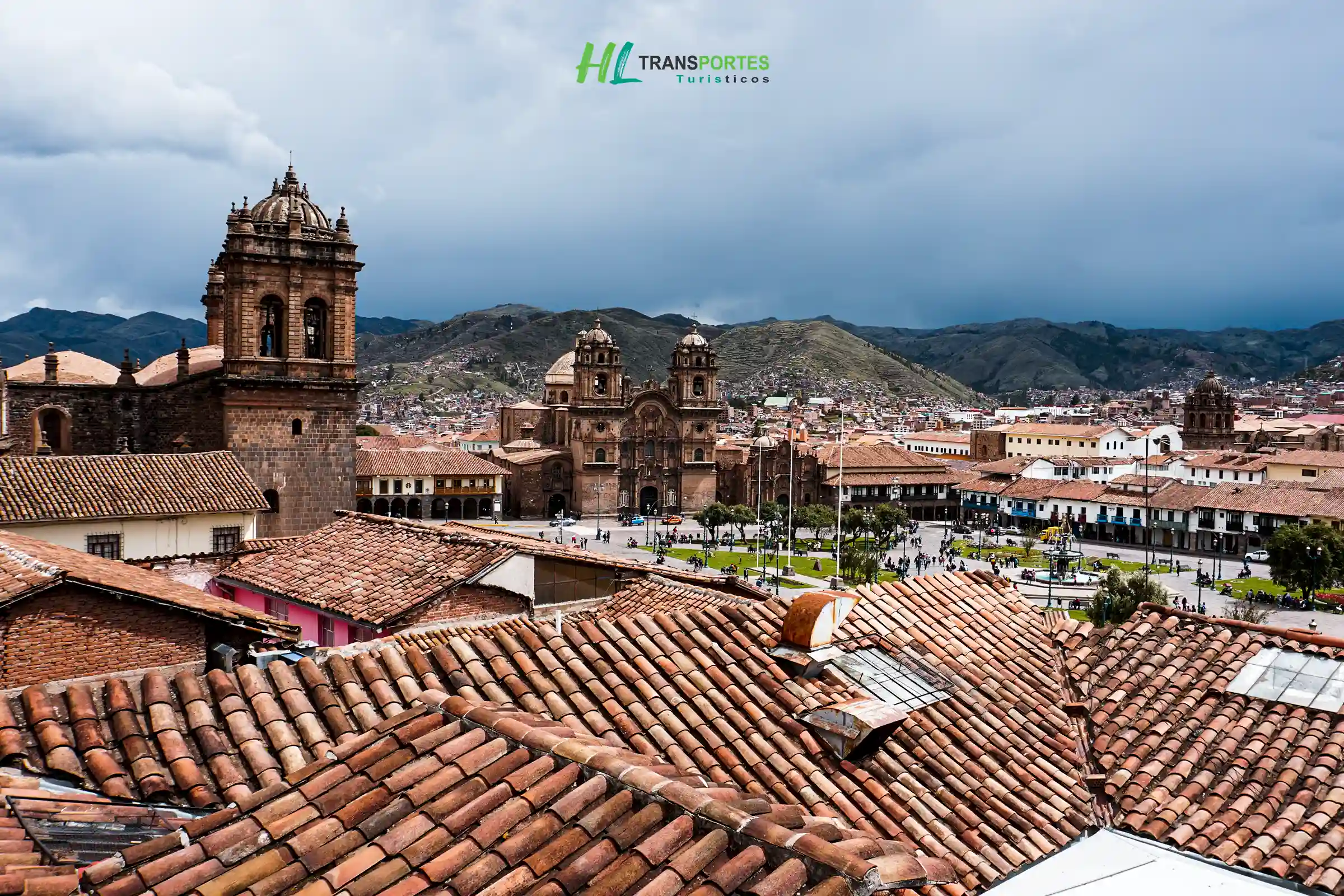
Cusco City, Peru: Travel Guide, History, Top Attractions, and Travel Tips.
The Cusco City, known as the Imperial City of the Incas, is one of the most fascinating travel destinations in South America. Located in the Peruvian Andes, this historic city combines impressive Inca architecture, colonial buildings, Andean traditions, regional cuisine, and breathtaking mountain scenery that captivates travelers from around the world.
Once the capital of the Inca Empire, Cusco served as an important political, religious, and administrative center of the Tahuantinsuyo. Today, its cobblestone streets, ancient temples, historic plazas, and traditional neighborhoods preserve the legacy of the cultures that shaped its identity. Cusco’s historic center was designated a UNESCO World Heritage Site in 1983.
In addition to exploring the city, travelers can use Cusco as a starting point for visiting Machu Picchu, the Sacred Valley of the Incas, Rainbow Mountain, Humantay Lake, and numerous archaeological sites.
If you’re planning a trip to Peru, this guide will help you discover what to see in Cusco, the best activities to enjoy, the ideal time to visit, and how to plan an unforgettable experience.
-
General Information About Cusco City
- Location: Cusco Region and Province, southern Peru.
- Elevation: Approximately 3,399 meters (11,152 feet) above sea level.
- Historical Importance: Former capital of the Inca Empire and a center of remarkable Andean and Hispanic cultural fusion.
- Climate: Mild but changeable, with a dry season and a rainy season; nights are often cold.
- How to Get There: Primarily by plane from Lima or by road from other Peruvian cities.
The city is known for preserving elements of Inca urban planning alongside colonial churches, convents, and mansions built over ancient structures. This remarkable combination makes Cusco an especially appealing destination for travelers interested in history, culture, archaeology, and gastronomy.
-
History of Cusco: From the Inca Capital to the Colonial City
Cusco’s history dates back to Andean societies that existed before the Incas. However, it was during the development of the Inca state, particularly in the 15th century under the rule of Pachacutec, that the city gained extraordinary political, religious, and administrative importance.
Cusco During the Inca Empire
Cusco was the center of the Tahuantinsuyo, the territory organized by the Incas into four major regions. From this capital, the Incas administered extensive territories across the South American Andes through a network of roads, administrative centers, ceremonial spaces, and agricultural systems.
The Incas developed exceptional construction techniques, visible in their precisely fitted stone walls, temples, terraces, and ceremonial complexes. Among the most remarkable examples of their architecture are Qorikancha and Sacsayhuaman.
The Arrival of the Spanish
In the 16th century, the Spanish conquest profoundly transformed the city. Churches, convents, and colonial residences were built over former Inca palaces and temples. However, many original structures remained integrated into the new buildings, creating the distinctive architectural landscape that characterizes Cusco today.
Cusco Today
Today, Cusco is a vibrant city where Quechua traditions, religious celebrations, markets, handicrafts, and gastronomy coexist with modern tourism. Its historical heritage is one of the main reasons travelers from Peru and around the world visit throughout the year.
-
Top Tourist Attractions in Cusco City
If you’re wondering what to visit in Cusco, the historic center is the best place to start. Here, you’ll find temples, plazas, museums, traditional streets, and some of the finest examples of Inca and colonial architecture.
Cusco Main Square
This is the city’s historic and social heart. Surrounded by colonial arcades, restaurants, shops, Cusco Cathedral, and the Church of the Society of Jesus, it is an excellent starting point for exploring the historic center, admiring the architecture, and experiencing local life.
Qorikancha or Temple of the Sun.
Qorikancha was one of the most important religious centers of the Inca world, dedicated to sun worship. Its finely crafted stone walls contrast with the Convent of Santo Domingo, which was built over the complex. It is an essential stop for understanding Inca architecture and spirituality.
Sacsayhuman Archaeological Site
This impressive archaeological complex sits on the hills above Cusco. It is famous for its enormous stone blocks, monumental walls, and panoramic views of the city. It is a highlight of many private Cusco sightseeing tours.
San Blas Neighborhood.
Famous for its narrow streets, artisan workshops, small galleries, and scenic viewpoints, San Blas offers a more traditional and artistic perspective on Cusco. It is ideal for strolling, shopping for handicrafts, and photographing the city’s red-tiled rooftops.
Twelve-Angled Stone.
Located on Hatunrumiyoc Street, this famous stone is part of an ancient Inca wall and stands out for its precise fit with the surrounding stones. It is one of the best-known symbols of Inca engineering and a popular stop on walking tours of the historic center.
Cusco Cathedral.
Located in the Plaza de Armas, the cathedral combines colonial religious architecture with valuable artworks associated with the Cusco School of Art. Its interior offers insight into the city’s artistic and religious history.
San Pedro Market.
This is one of Cusco’s best-known traditional markets. You’ll find fruit, Andean products, fresh juices, prepared foods, herbs, and handicrafts. It is a great opportunity to experience local daily life and regional flavors.
Museums in the Historic Center.
The Inka Museum, the Museum of Pre-Columbian Art, and other cultural spaces help visitors learn more about pre-Inca civilizations, the Inca world, and the region’s artistic history. They are excellent additions to archaeological sightseeing tours.
These attractions are among the cultural highlights featured in Peru’s official tourism information.
-
Archaeological Sites Near Cusco
In addition to its urban landmarks, Cusco is surrounded by important archaeological sites that you can explore on a half-day or full-day tour.
- Sacsayhuaman: A monumental complex known for its enormous stone walls and ceremonial and political importance.
- Qenqo: An archaeological site associated with ceremonial spaces and carved rock formations.
- Puka Pukara: An ancient stone complex associated with territorial control and organization.
- Tambomachay: An archaeological site famous for its water channels, fountains, and structures connected with water.
These four sites are commonly included in the classic Cusco City Tour, along with a visit to Qorikancha and the historic center. The route and duration depend on the tour you book.
If you prefer to travel comfortably, a private tour with a guide and transportation allows you to customize your schedule, spend more time at the places that interest you, and avoid relying on a large group.
-
Things to Do in Cusco: Recommended Experiences
Cusco offers much more than archaeological monuments. To fully enjoy the city, consider combining cultural sightseeing with food, handicrafts, and local experiences.
- Take a guided walking tour of the historic center: Discover the city’s main temples, plazas, and Inca streets.
- Explore the artisan workshops of San Blas: Learn about local artisans and their traditional techniques.
- Try Cusco’s regional cuisine: Discover dishes prepared with ingredients from the Andes.
- Visit traditional markets: Explore regional products and everyday local customs.
- Enjoy scenic viewpoints: Admire the red rooftops and mountains surrounding the city.
- Experience cultural celebrations: If your visit coincides with local festivals, enjoy traditional music, dances, and cultural performances.
The best travel experience combines monumental heritage with respectful engagement with Cusco’s living culture.
-
Traditional Cusco Cuisine
Cusco’s cuisine reflects the agricultural diversity of the Andes and the blending of ancient traditions with later influences. During your visit, consider trying:
- Chiriuchu: A traditional festive dish combining different ingredients and preparations, with variations depending on the occasion.
- Roasted guinea pig (cuy al horno): A traditional preparation generally served with potatoes and other Andean products.
- Chairo: A hearty Andean soup made with ingredients that vary by recipe.
- Quinoa soup: A nourishing dish prepared with this traditional Andean grain.
- Humitas: Ground corn cooked in its own husks, available in sweet and savory versions.
- Tamales: Corn-based preparations with different fillings and seasonings.
You can also try native potatoes, corn, regional cheeses, herbal infusions, and traditional beverages. The availability of each dish varies by season and establishment.
-
Best Time to Visit Cusco
Cusco can be visited year-round, but the weather and activities change with the seasons.
- May to September. Generally dry weather, sunny days, and cold nights. Ideal for hiking, photography, and excursions.
- April and October. Transitional months with variable conditions. Good alternatives for travelers with flexible schedules.
- November to March. Rainy season, greener landscapes, and more frequent precipitation. Bring waterproof clothing and allow for itinerary changes.
June is especially important because of Inti Raymi and other traditional celebrations. During this period, demand for accommodation, transportation, and tourism services may increase, so booking in advance is recommended.
Travel tip: Even during the dry season, bring a warm jacket and rain protection. Weather conditions in the Andes can change quickly.
-
How to Get to Cusco City
There are several ways to reach Cusco, depending on your budget, available time, and starting point.
By plane: This is the most practical option for travelers coming from Lima. The flight takes approximately one hour and fifteen minutes, although schedules and connections may vary. From the airport, you can take a taxi or arrange private transportation to your hotel.
By bus: This is an option for travelers coming from other Peruvian cities. Journeys are considerably longer than flights and depend on the route and road conditions.
By private transportation: This is especially convenient for airport transfers, city sightseeing, and excursions to the region’s main tourist attractions.
For a comfortable experience, you can arrange private transportation that includes airport pickup, hotel transfers, and sightseeing tours with schedules tailored to your itinerary.
-
Recommended 2-Day Cusco Itinerary
If you’re short on time, two days will allow you to explore the main urban and archaeological attractions without trying to fit too much into your schedule.
Day 1: Historic and Cultural Cusco
Approximate duration: 4–6 hours
- Plaza de Armas and Cusco Cathedral.
- Hatunrumiyoc Street and the Twelve-Angled Stone.
- Qorikancha or the Temple of the Sun.
- San Blas neighborhood and its artisan workshops.
- San Pedro Market, if time permits.
Day 2: Archaeological City Tour
Approximate duration: 5–6 hours
- Qorikancha, if you didn’t visit it on the first day.
- Sacsayhuaman and its monumental walls.
- Qenqo and its ceremonial spaces.
- Puka Pukara and its stone structures.
- Tambomachay and its water fountains.
If you’d also like to visit Machu Picchu or the Sacred Valley of the Incas, it’s best to add extra days to your trip. This will allow you to enjoy each destination at a more relaxed pace.
-
Important Travel Tips Before Visiting Cusco
To make the most of your trip, keep these recommendations in mind:
- Acclimatization: Cusco sits at approximately 3,399 meters (11,152 feet) above sea level. Spend your first day on relaxed activities, especially if you’re arriving from a much lower elevation.
- Stay hydrated: Drink water regularly and avoid strenuous activity immediately after arrival.
- Wear appropriate clothing: Bring layers, comfortable walking shoes, a warm jacket, and waterproof clothing.
- Sun protection: Use sunscreen, sunglasses, and a hat, even when the sky is cloudy.
- Book in advance: Arrange tickets, transportation, and guided services ahead of time for attractions with limited availability.
- Respect local culture: Follow your guide’s instructions and observe conservation rules at archaeological sites.
If you experience severe symptoms or symptoms that worsen with altitude, seek medical attention and stop strenuous activity.
-
Frequently Asked Questions About Cusco City
How many days should I spend in Cusco?
It’s best to spend at least two days exploring the city and its immediate surroundings. If you also want to visit Machu Picchu, the Sacred Valley, and other destinations, consider staying four to six days or longer.
What is the elevation of Cusco City?
The city is located approximately 3,399 meters (11,152 feet) above sea level, so acclimatization is recommended before attempting strenuous hikes.
What is the best month to visit Cusco?
May, June, July, August, and September generally offer drier conditions. June is particularly notable for its cultural festivals, although it is also a busy tourist month.
What places are included in a Cusco City Tour?
A classic tour usually includes Qorikancha, Sacsayhuaman, Qenqo, Puka Pukara, and Tambomachay. Some tours also include a visit to the historic center.
Can I visit Cusco without booking a tour?
Yes. You can explore much of the historic center on foot. For archaeological sites outside the city center, you can choose public transportation, a taxi, or a private guided service.
What is the difference between Cusco and Machu Picchu?
Cusco is a historic city and the former capital of the Inca Empire. Machu Picchu is an archaeological complex in the mountains, reached by a combination of road transportation, train, and bus, or through authorized trekking routes.
What currency is used in Cusco?
Peru’s official currency is the Peruvian sol (PEN). Carrying some cash is useful for markets, small purchases, and businesses that don’t accept cards.
Is Cusco a good destination for families?
Yes. The city offers museums, plazas, archaeological sites, markets, and cultural experiences. Adjust the pace to suit the ages of your travelers and take the altitude into account.