

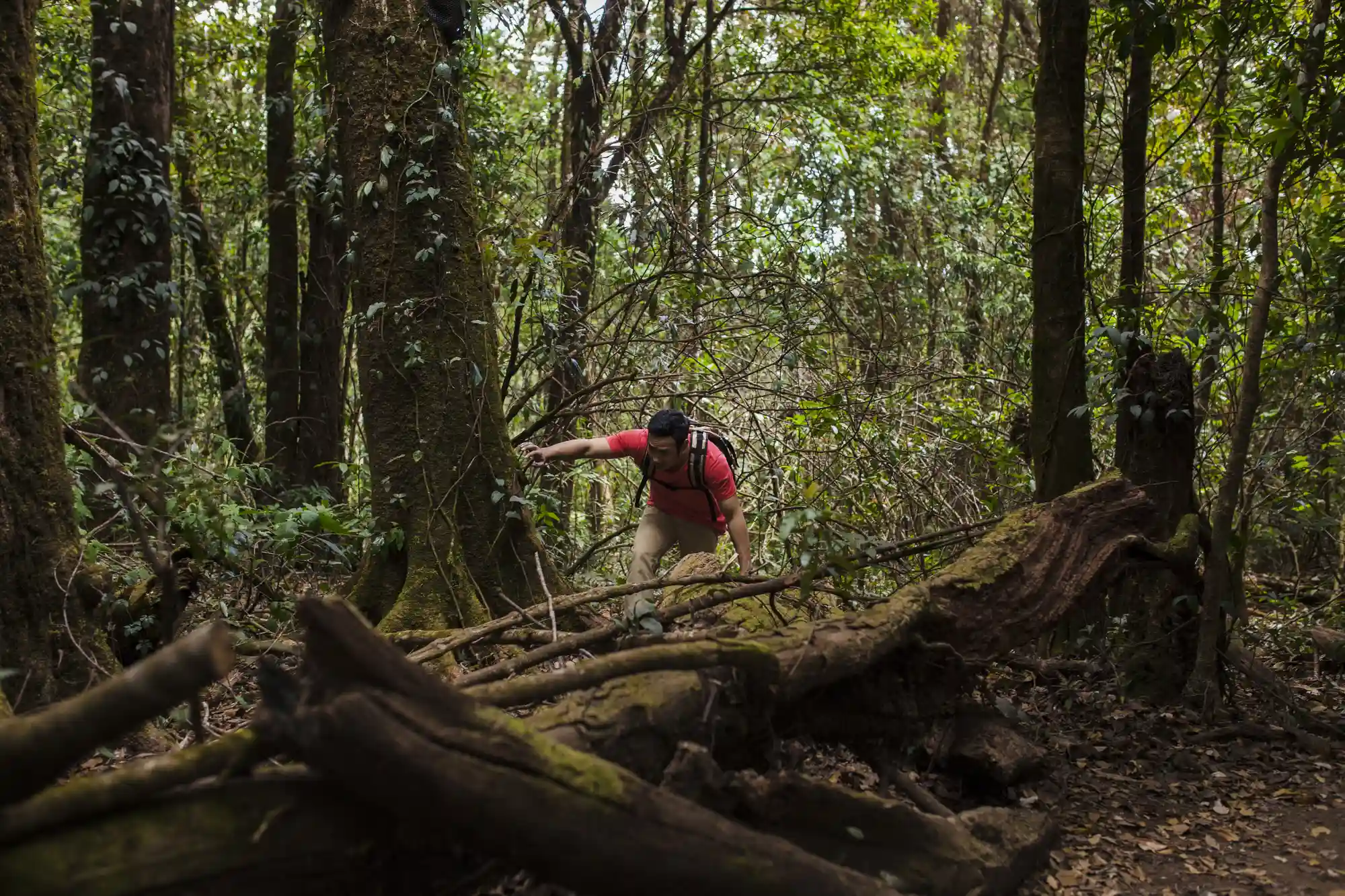
The Salkantay Trek is one of the most popular alternative routes to Machu Picchu, offering stunning landscapes, diverse ecosystems, and a challenging yet rewarding experience. Proper preparation is essential to ensure a safe and enjoyable journey. This guide covers everything you need to know before embarking on the trek.
Salkantay Trek Overview
The Salkantay Trek is a 5-day, 4-night hike that reaches an altitude of 15,090 ft (4,600 m) at the Salkantay Pass. It passes through Andean valleys, cloud forests, and ends at Machu Picchu (7,972 ft / 2,430 m).
Best Time to Hike the Salkantay Trek
The dry season (April to October) is ideal, with clear skies and stable weather. The wet season (November to March) brings rain and muddy trails but fewer crowds.
Physical Preparation
The trek is moderately difficult due to high altitude and long walking days (6-8 hours daily). Training with cardio, hiking, and stair climbing helps. Acclimatization in Cusco (11,152 ft / 3,399 m) for 2-3 days is recommended.
Packing List Essentials
- Clothing: Layered clothing (thermal base, fleece, waterproof jacket)
- Footwear: Broken-in hiking boots, moisture-wicking socks
- Gear: Trekking poles, headlamp, sleeping bag (rated for cold weather)
- Health: Altitude sickness pills, blister patches, water purification tablets
Altitude Sickness Prevention
- Hydrate well (3-4 liters daily).
- Avoid alcohol and heavy meals before the trek.
- Consider medication like Diamox (consult a doctor).
- Walk at a steady pace and take breaks.
Booking a Tour vs. Going Solo
Most travelers book guided tours, which include permits, meals, tents, and porters. Independent trekking is possible but requires logistics like permits and route knowledge.
Permits and Regulations
No permit is needed for Salkantay itself, but an entrance ticket to Machu Picchu (around 50−70) is required. Book in advance, especially for Huayna Picchu (additional $20).
Accommodation on the Trek
Options include camping (provided by tour operators) or staying in lodges (available at some stops like Lucmabamba).
Food and Water
Guided tours provide meals (breakfast, lunch, dinner). Bring snacks (nuts, energy bars). Water can be refilled at campsites; use purification tablets or filters.
Safety Tips
- Stay on marked trails.
- Inform your guide if feeling unwell.
- Carry a basic first-aid kit.
Salkantay Trek FAQs
What is the difficulty level of the Salkantay Trek?
The trek is moderate to challenging due to altitude and long hiking days.
How long is the Salkantay Trek?
The classic route is about 46 miles (74 km) over 5 days.
Do I need a guide for the Salkantay Trek?
A guide is not mandatory but highly recommended for safety and logistics.
What is the highest point on the trek?
The Salkantay Pass at 15,090 ft (4,600 m).
Can I do the trek in fewer days?
Yes, some operators offer 4-day versions, but it’s more strenuous.
Is altitude sickness common on this trek?
Yes, due to high elevations. Proper acclimatization helps.
What type of weather should I expect?
Cold nights (below freezing at high camps) and warm days. Rain is possible year-round.
Are there toilets on the trail?
Basic toilets are available at campsites; bring your own toilet paper.
Do I need to carry my own gear?
Most tours include porters or horses to carry main luggage.
Can I charge my devices on the trek?
Some lodges have charging stations, but bring a power bank.
What is the food like on the trek?
Meals are hearty (soups, rice, meat, quinoa). Vegetarian options are available.
Is the Salkantay Trek crowded?
Less crowded than the Inca Trail but gaining popularity.
Can I do the trek in the rainy season?
Yes, but trails are slippery, and views may be obscured.
How do I get back to Cusco after the trek?
Most tours include transport by train and bus from Aguas Calientes.
Do I need travel insurance?
Yes, ensure it covers high-altitude trekking.
Salkantay Trek Travel Guide
Getting to the Trailhead
The trek starts at Soraypampa (12,795 ft / 3,900 m), a 3-4 hour drive from Cusco.
Daily Itinerary Breakdown
- Day 1: Cusco to Soraypampa – Humantay Lake hike.
- Day 2: Soraypampa to Chaullay – Cross Salkantay Pass.
- Day 3: Chaullay to La Playa – Descend into the jungle.
- Day 4: La Playa to Aguas Calientes – Llactapata ruins.
- Day 5: Machu Picchu visit – Return to Cusco.
Budgeting for the Trek
- Tours: 250−600 (depending on comfort level).
- Extras: Tips (30−50 total), snacks, souvenirs.
Cultural Etiquette
- Respect local communities.
- Ask before taking photos of people.
Wildlife and Scenery
Expect llamas, hummingbirds, and orchids. The trail transitions from snowy peaks to lush jungle.
Salkantay Trek Highlights
- Crossing the Salkantay Pass (15,090 ft / 4,600 m)
- Visiting Humantay Lake (13,779 ft / 4,200 m)
- Hiking through cloud forests and coffee plantations
- Exploring Llactapata ruins with views of Machu Picchu
- Ending at Machu Picchu (7,972 ft / 2,430 m)
- Experiencing diverse climates in a single trek
- Sleeping under the stars in remote Andean campsites
- Tasting fresh coffee grown along the trail
- Meeting fellow travelers from around the world
- The rewarding feeling of completing a challenging trek