

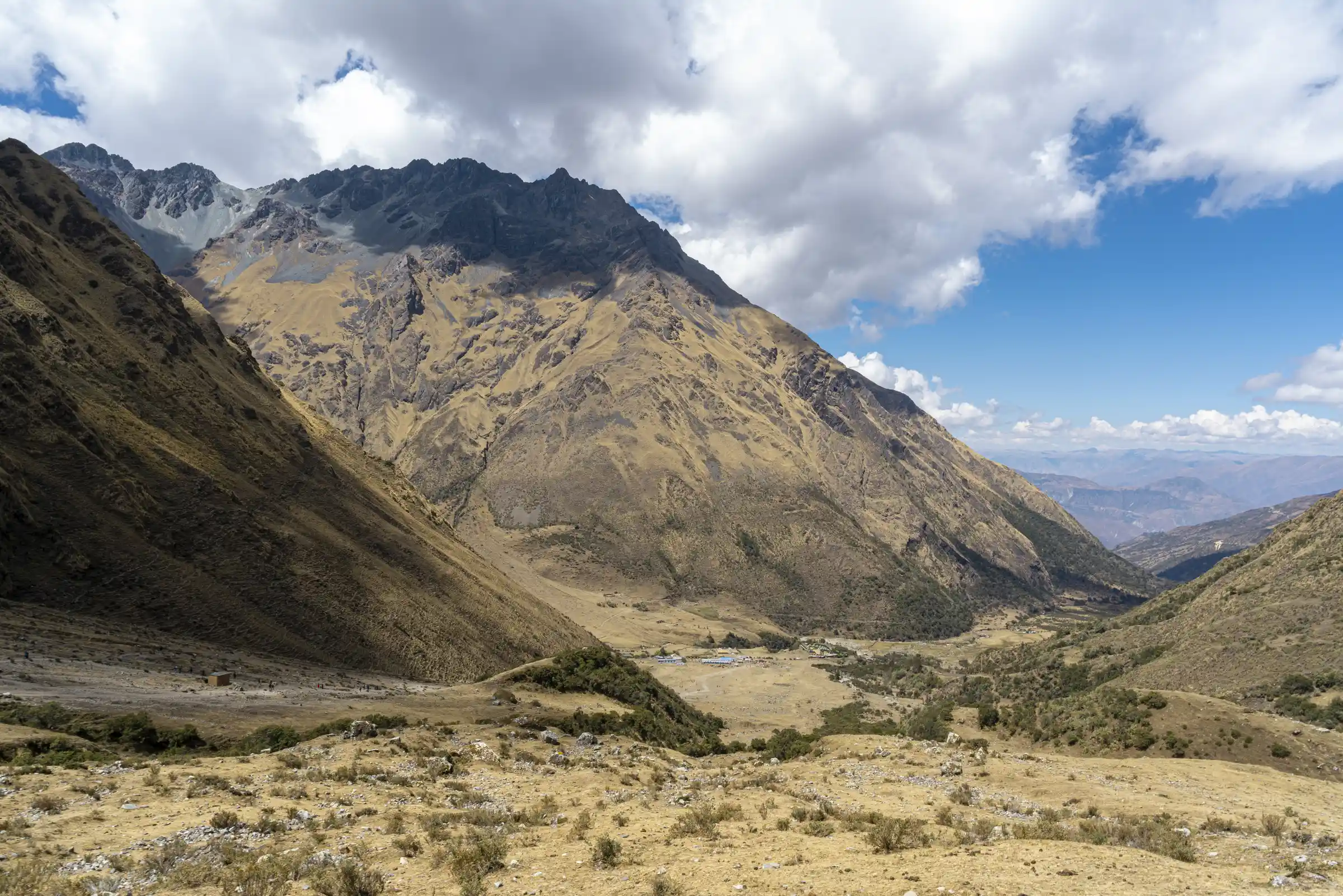
Introduction to Salkantay Trek Rainy Season
The Salkantay Trek is a spectacular journey, but planning your trip involves considering the weather. Hiking during the rainy season presents unique challenges and rewards. This article provides detailed information about what to expect if you choose to undertake the Salkantay Trek during its wetter months.
Understanding the Rainy Season in the Andes
The rainy season in the Peruvian Andes, including the Cusco region where the Salkantay Trek begins, typically runs from November to March. This period is characterized by increased rainfall, cloud cover, and a higher chance of mist and fog. While the intensity of the rain can vary, it’s important to be prepared for potentially wet conditions throughout your trek. You might hear locals say, “En esta época siempre llueve” (It always rains during this time).
Specific Challenges of Trekking Salkantay in the Rain
Hiking the Salkantay Trek during the rainy season presents several specific challenges that travelers should be aware of:
- Slippery Trails: Rain can make the trails muddy, slippery, and more challenging to navigate. This is particularly true on steep ascents and descents. Extra caution and good balance are required. “¡Cuidado con resbalarse!” (Be careful not to slip!) is something you might hear often from guides.
- Increased River Levels: Heavy rainfall can cause rivers and streams to swell, potentially making river crossings more difficult or even temporarily impassable. Tour operators will monitor conditions and have contingency plans.
- Limited Views: While the scenery remains stunning, persistent cloud cover and fog can sometimes obstruct panoramic views, especially from high vantage points like the Salkantay Pass at approximately 15,090 feet (4,600 meters).
- Colder Temperatures: While temperatures at lower elevations might remain relatively mild, the combination of rain and wind at higher altitudes can make it feel significantly colder. Proper layering and waterproof clothing are essential to stay warm.
- Potential for Landslides: Heavy and prolonged rainfall can increase the risk of landslides in certain areas. Reputable tour operators will be aware of potential risks and adjust routes if necessary.
- Gear Management: Keeping your gear dry becomes a greater challenge during the rainy season. Waterproof bags and covers are crucial for protecting your clothing, electronics, and sleeping bag.
Potential Benefits of Trekking Salkantay in the Rainy Season
Despite the challenges, there can also be some advantages to hiking the Salkantay Trek during the rainy season:
- Fewer Crowds: The rainy season is considered the off-season for tourism in Peru, so you can expect fewer crowds on the trails and at campsites compared to the peak dry season.
- Lush Green Scenery: The rain brings the Andean landscape to life, with vibrant green vegetation and blooming flowers. The scenery can be particularly beautiful and dramatic during this time.
- Lower Prices: You might find that some tour operators and accommodations offer lower prices during the off-season.
- Unique Atmosphere: The misty and often dramatic weather can create a unique and atmospheric trekking experience.
Preparing Your Gear for a Rainy Salkantay Trek
Proper gear is even more critical during the rainy season. Here’s what you should pay special attention to:
- Waterproof Hiking Boots: Ensure your hiking boots are fully waterproof and have good traction. Consider bringing extra pairs of socks as they are likely to get wet.
- Waterproof Jacket and Pants: Invest in high-quality waterproof and breathable outerwear. A poncho that covers your backpack can also be very useful.
- Waterproof Backpack Cover: A reliable waterproof cover for your backpack is essential to keep your belongings dry.
- Dry Bags: Use dry bags or waterproof stuff sacks inside your backpack to provide an extra layer of protection for sensitive items like electronics and clothing.
- Quick-Drying Clothing: Choose clothing made from synthetic materials that dry quickly. Avoid cotton, which stays wet and cold.
- Extra Layers: Pack extra warm layers, as you might need to change into dry clothing more frequently.
- Waterproof Gloves: Keeping your hands dry is important for warmth and comfort.
- Headlamp: With increased cloud cover, daylight hours might feel shorter. A good headlamp is essential for navigating around camp.
- Trekking Poles: Trekking poles can provide added stability on slippery trails.
Choosing a Tour Operator for Rainy Season Trekking
If you choose to trek during the rainy season, selecting a reputable and experienced tour operator is even more important. They will have experience dealing with wet conditions, monitoring trail conditions, and ensuring the safety of their clients. Inquire about their contingency plans for dealing with heavy rain or potential trail closures.
Safety Considerations During a Rainy Salkantay Trek
Safety should be your top priority when trekking during the rainy season:
- Listen to Your Guide: Your guide will have the most up-to-date information on trail conditions and potential hazards. Follow their instructions carefully.
- Be Extra Cautious: Take your time and be mindful of your footing on slippery trails.
- Monitor for Signs of Hypothermia: Be aware of the signs of hypothermia, such as shivering, confusion, and fatigue, and take steps to stay warm and dry.
- Stay Informed: Keep an eye on the weather forecast and be prepared for changes.
- Don’t Take Unnecessary Risks: If a section of the trail looks particularly dangerous due to rain, don’t attempt to cross it without your guide’s assessment.
The Experience of Trekking Salkantay in the Rain
While it presents challenges, trekking the Salkantay during the rainy season can also be a unique and rewarding experience. The landscapes are incredibly lush and green, and the fewer crowds can enhance the feeling of solitude and connection with nature. Just be prepared to embrace the wet conditions and focus on the beauty around you. As they say in Peru, “No hay mal que dure cien años, ni cuerpo que lo resista” (Nothing bad lasts a hundred years, nor a body that resists it).
Conclusion: Is a Rainy Season Salkantay Trek for You?
Deciding whether to hike the Salkantay Trek during the rainy season depends on your priorities and tolerance for wet conditions. If you are looking for fewer crowds and don’t mind the rain, with proper preparation, it can be an unforgettable adventure. However, if you prefer dry weather and clear views, you might be better off planning your trek during the dry season. Weigh the pros and cons carefully before making your decision.
Salkantay Trek on Rainy Season: Frequently Asked Questions
Is it safe to hike the Salkantay Trek during the rainy season While it’s possible it presents more challenges due to slippery trails and potential for landslides Choosing a reputable tour operator is crucial for safety
How much more difficult is the Salkantay Trek during the rainy season The difficulty level increases due to slippery conditions and potentially higher river levels Extra caution and good physical condition are recommended
What months are considered the rainy season for the Salkantay Trek The typical rainy season in the Cusco region is from November to March
Will my views of the mountains be obstructed by rain and clouds Cloud cover and fog are more common during the rainy season which can sometimes limit panoramic views
Do I need special gear for trekking in the rain Yes waterproof hiking boots a waterproof jacket and pants a waterproof backpack cover and dry bags are essential
Are there fewer people on the Salkantay Trek during the rainy season Yes the rainy season is the off-season so you can generally expect fewer crowds
Are there any advantages to hiking the Salkantay Trek in the rain Advantages include lush green scenery fewer crowds and potentially lower prices
Can river crossings be dangerous during the rainy season Yes heavy rainfall can cause rivers to swell making crossings more challenging Tour operators will assess conditions carefully
What happens if the trails become too dangerous due to rain Reputable tour operators will have contingency plans which may involve altering the route or delaying the trek for safety
Will the campsites be muddy and uncomfortable during the rainy season Campsites can be muddy during the rainy season Choose a tour operator that provides good quality tents and groundsheets
Is it colder on the Salkantay Trek during the rainy season The combination of rain and wind can make it feel colder especially at higher altitudes Pack extra warm layers
Will rain affect my visit to Machu Picchu at the end of the trek Rain is possible in the Machu Picchu region year-round but it’s more frequent during the rainy season Be prepared for wet conditions
Should I bring an umbrella for the Salkantay Trek While some people might find a small umbrella useful for lighter rain a waterproof jacket and pants are generally more practical for trekking
How can I keep my electronics dry during a rainy trek Use waterproof dry bags or zip-lock bags to protect your electronics from moisture
Will the rainy season affect transportation to and from the trek Heavy rain can sometimes cause delays or disruptions to transportation but tour operators usually factor this into their planning
Salkantay Trek: Your Quick Travel Guide – Rainy Season Edition
Before You Go
- Check Weather Forecast: Monitor the weather forecast closely leading up to your trek.
- Pack Waterproof Gear: Ensure you have all the necessary waterproof clothing and gear.
- Confirm Tour Operator’s Plan: Discuss the tour operator’s contingency plans for rainy conditions.
During Your Trek
- Wear Appropriate Layers: Adjust your clothing to stay dry and warm.
- Use Trekking Poles: For added stability on slippery trails.
- Protect Your Belongings: Keep electronics and other sensitive items in waterproof bags.
- Inform Your Guide: Report any concerns about trail conditions or your well-being.
After Your Trek
- Dry Everything Thoroughly: Make sure all your wet gear is completely dried before your next adventure.
- Rest and Recover: Allow your body to recover from the extra effort of trekking in wet conditions.
Salkantay Trek Rainy Season Highlights
- Experiencing the vibrant green landscapes brought to life by the rain.
- Enjoying fewer crowds on the trails and at campsites.
- Witnessing the dramatic and atmospheric weather conditions.
- Feeling a greater sense of solitude in nature.
- Potentially benefiting from lower prices on tours and accommodations.
- The unique challenge of navigating wet and sometimes muddy trails.
- The satisfaction of completing a challenging trek in less than ideal conditions.
- Seeing waterfalls and rivers at their fullest.
- The opportunity to experience the Andes in a different, perhaps more raw, state.
- Learning to adapt and be resilient in the face of challenging weather.