

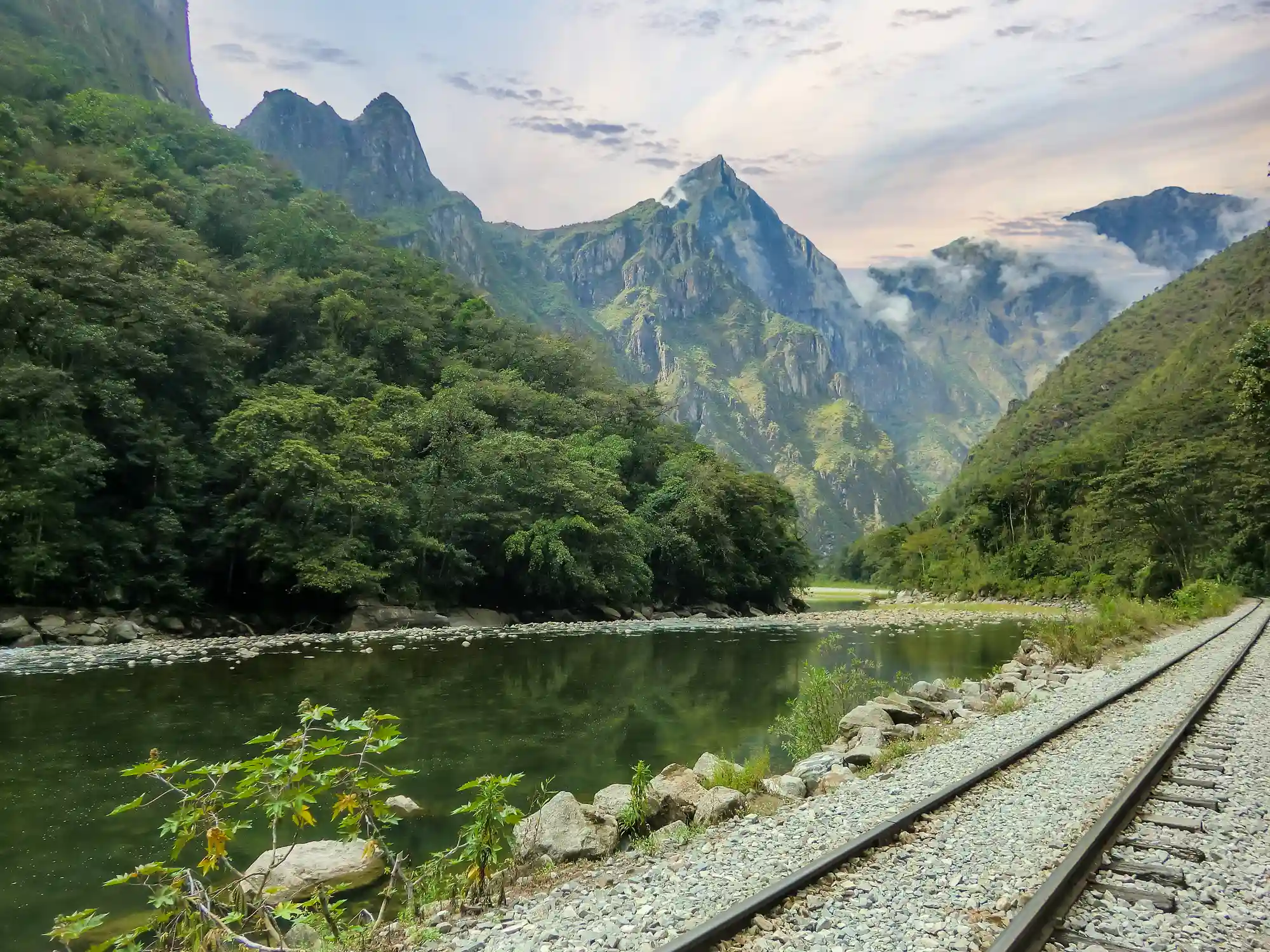
Introduction to Machu Picchu Trekking Options
When planning a trip to Machu Picchu, many adventurers consider trekking as the most rewarding way to reach the ancient citadel. Three popular options stand out: the Salkantay Trek, the Inca Jungle Trek, and the Classic Inca Trail. Each offers a unique experience with varying levels of difficulty, scenery, and cultural immersion. Deciding which trek is right for you depends on your personal preferences and priorities.
Salkantay Trek Overview
The Salkantay Trek is known for its stunning and diverse scenery, ranging from snow-capped peaks to lush cloud forests. It’s considered a challenging trek with high altitudes.
- Duration: Typically 4-5 days.
- Difficulty: Moderate to challenging, with significant elevation gains and losses. The highest point is the Salkantay Pass at approximately 15,090 feet (4,600 meters).
- Scenery: Dramatic mountain landscapes, glaciers, cloud forests, and subtropical vegetation.
- Permits: No specific permit is required for the Salkantay Trek itself, but a Machu Picchu entrance ticket is necessary.
- Cost: Generally more affordable than the Classic Inca Trail.
- Experience: Offers a more remote and less crowded trekking experience. You’ll likely hear fellow trekkers exclaim, “¡Qué paisajes increíbles!” (What incredible landscapes!).
Inca Jungle Trek Overview
The Inca Jungle Trek is a more adventurous option that combines hiking with other activities like mountain biking, zip-lining, and sometimes rafting. It offers a mix of adrenaline and cultural experiences.
- Duration: Typically 3-4 days.
- Difficulty: Moderate, with a mix of downhill biking and hiking. The highest hiking point is often around 14,100 feet (4,300 meters), but varies depending on the route.
- Scenery: High Andean scenery transitioning to cloud forests and eventually the warmer, more humid environment near Aguas Calientes at approximately 6,700 feet (2,050 meters).
- Permits: No specific permit is required for the Inca Jungle Trek itself, but a Machu Picchu entrance ticket is needed.
- Cost: Varies depending on the included activities, but generally comparable to or slightly more expensive than the Salkantay Trek.
- Experience: A more varied and action-packed experience, appealing to those who enjoy different types of activities in addition to hiking. Some travelers might say, “¡Esto es pura adrenalina!” (This is pure adrenaline!).
Classic Inca Trail Overview
The Classic Inca Trail is the most famous trek to Machu Picchu, renowned for its historical significance and well-preserved Inca pathways. It offers a more traditional trekking experience with a focus on Inca ruins.
- Duration: Typically 4 days (the most common option). There are also shorter 2-day options available.
- Difficulty: Moderate, with some steep ascents and descents. The highest point is Dead Woman’s Pass at approximately 13,780 feet (4,200 meters).
- Scenery: Beautiful mountain scenery, cloud forests, and numerous significant Inca archaeological sites along the way.
- Permits: Permits are strictly required and sell out months in advance, especially during peak season.
- Cost: The most expensive of the three options due to the limited number of permits and higher demand.
- Experience: A culturally rich and historically significant trek, following in the footsteps of the Incas. Many feel a sense of awe, thinking, “Estoy caminando por la historia” (I am walking through history).
Key Differences Summarized
To help you decide, here’s a table summarizing the key differences:
| Feature | Salkantay Trek | Inca Jungle Trek | Classic Inca Trail |
|---|---|---|---|
| Duration | 4-5 days | 3-4 days | 4 days (most common), 2 days |
| Difficulty | Moderate to Challenging | Moderate (mix of activities) | Moderate |
| Highest Point | ~15,090 feet (4,600 meters) | ~14,100 feet (4,300 meters) | ~13,780 feet (4,200 meters) |
| Scenery | Mountains, glaciers, cloud forests | Mountains, cloud forests, jungle | Mountains, cloud forests, Inca ruins |
| Permits | Not required for the trek | Not required for the trek | Strictly required, book in advance |
| Cost | Generally more affordable | Comparable to or slightly more | Most expensive |
| Crowds | Less crowded | Moderately crowded | Most crowded (permit limited) |
| Activities | Primarily hiking | Hiking, biking, zip-lining (optional), rafting (optional) | Primarily hiking |
| Inca Ruins | Fewer along the trail | Fewer along the trail | Numerous significant Inca sites along the trail |
Who Should Choose Which Trek?
- Choose the Salkantay Trek if: You are looking for a challenging and scenic trek with diverse landscapes and want a less crowded experience than the Inca Trail. You are comfortable with high altitudes and primarily enjoy hiking.
- Choose the Inca Jungle Trek if: You want a more adventurous and varied experience that combines hiking with other activities like mountain biking and zip-lining. You enjoy a mix of adrenaline and cultural immersion.
- Choose the Classic Inca Trail if: You prioritize walking along original Inca pathways and visiting significant Inca archaeological sites along the way. You are prepared to book well in advance and pay a higher price for this iconic experience.
Considerations for Your Choice
- Fitness Level: Assess your physical fitness and choose a trek that aligns with your capabilities.
- Time Availability: Consider the duration of each trek and how it fits into your travel itinerary.
- Budget: Factor in the cost of permits (if applicable), tour operators, and equipment.
- Booking in Advance: Remember that Inca Trail permits sell out quickly, so early booking is essential.
- Altitude Acclimatization: Regardless of the trek you choose, spending time in Cusco at approximately 11,200 feet (3,400 meters) before your trek is crucial for acclimatization. “Despacio se llega lejos” (Slowly you get far) is a good motto for acclimatizing.
Conclusion: Selecting the Perfect Trek for Your Machu Picchu Adventure
Ultimately, the best trek to Machu Picchu for you depends on your individual preferences, fitness level, and what you hope to experience. Each of the Salkantay Trek, Inca Jungle Trek, and Classic Inca Trail offers an unforgettable journey to one of the world’s most iconic destinations. Take your time to research each option and choose the one that best suits your adventurous spirit.
Salkantay vs. Jungle vs. Inca Trail: Frequently Asked Questions
Which trek is the most difficult Salkantay is generally considered the most challenging due to its high altitude and steep sections
Which trek is the easiest The Inca Jungle Trek can be considered easier as it involves downhill biking and less continuous strenuous hiking
Which trek has the best scenery The Salkantay Trek offers incredibly diverse scenery from mountains to cloud forests while the Inca Trail has stunning mountain views and Inca ruins
Which trek is the most culturally significant The Classic Inca Trail is the most culturally significant as it follows original Inca pathways and visits numerous archaeological sites
Which trek requires permits that sell out in advance Only the Classic Inca Trail requires permits that are limited and sell out months ahead
Which trek is the most affordable The Salkantay Trek is generally the most affordable option
Which trek is the most adventurous The Inca Jungle Trek is the most adventurous combining hiking with activities like biking and zip-lining
Which trek is the least crowded The Salkantay Trek typically has fewer crowds compared to the Inca Trail
Can I hike any of these treks independently Yes the Salkantay and Inca Jungle Treks can be hiked independently though a guide is recommended The Inca Trail requires a licensed guide
How far in advance should I book the Inca Trail You should book Inca Trail permits as far in advance as possible ideally 6-12 months
Which trek is better for someone afraid of heights The Inca Jungle Trek might be less suitable due to downhill biking on potentially winding roads The Salkantay and Inca Trail also have high sections
Which trek offers the most interaction with local communities The Inca Jungle Trek often involves staying in local guesthouses which can offer more interaction
Which trek ends directly at Machu Picchu The Classic Inca Trail is the only trek that ends directly inside Machu Picchu The others require a bus ride from Aguas Calientes
Can I customize these treks Most tour operators offer some level of customization for private groups
Which trek is best for wildlife viewing The cloud forest sections of the Salkantay and Inca Jungle Treks offer good opportunities for wildlife spotting
Salkantay Trek vs. Jungle Trek vs. Inca Trail: Your Quick Travel Guide
Choosing Your Trek
- Consider Your Interests: What kind of experience are you looking for – challenging hiking, adventure activities, or historical immersion?
- Assess Your Fitness: Choose a trek that matches your physical capabilities.
- Check Permit Availability (Inca Trail): If you want to do the Inca Trail, book well in advance.
- Compare Costs: Factor in your budget when making your decision.
Preparing for Your Chosen Trek
- Train Accordingly: Prepare physically for the specific demands of your chosen trek.
- Pack Appropriately: Ensure you have the right gear for the altitude and activities involved.
- Acclimatize: Spend sufficient time in Cusco before your trek.
During Your Trek
- Enjoy the Journey: Embrace the unique experience each trek offers.
- Stay Safe: Follow your guide’s instructions and be aware of your surroundings.
Salkantay vs. Jungle vs. Inca Trail Highlights
- Salkantay: Diverse scenery from mountains to cloud forests, challenging hiking, less crowded.
- Inca Jungle: Adventure activities like biking and zip-lining, mix of landscapes, moderate difficulty.
- Inca Trail: Walking on original Inca pathways, numerous Inca archaeological sites, culturally rich, requires advance permits.
- Each trek offers a unique way to experience the journey to Machu Picchu.
- The best choice depends on individual preferences for difficulty, scenery, and activities