

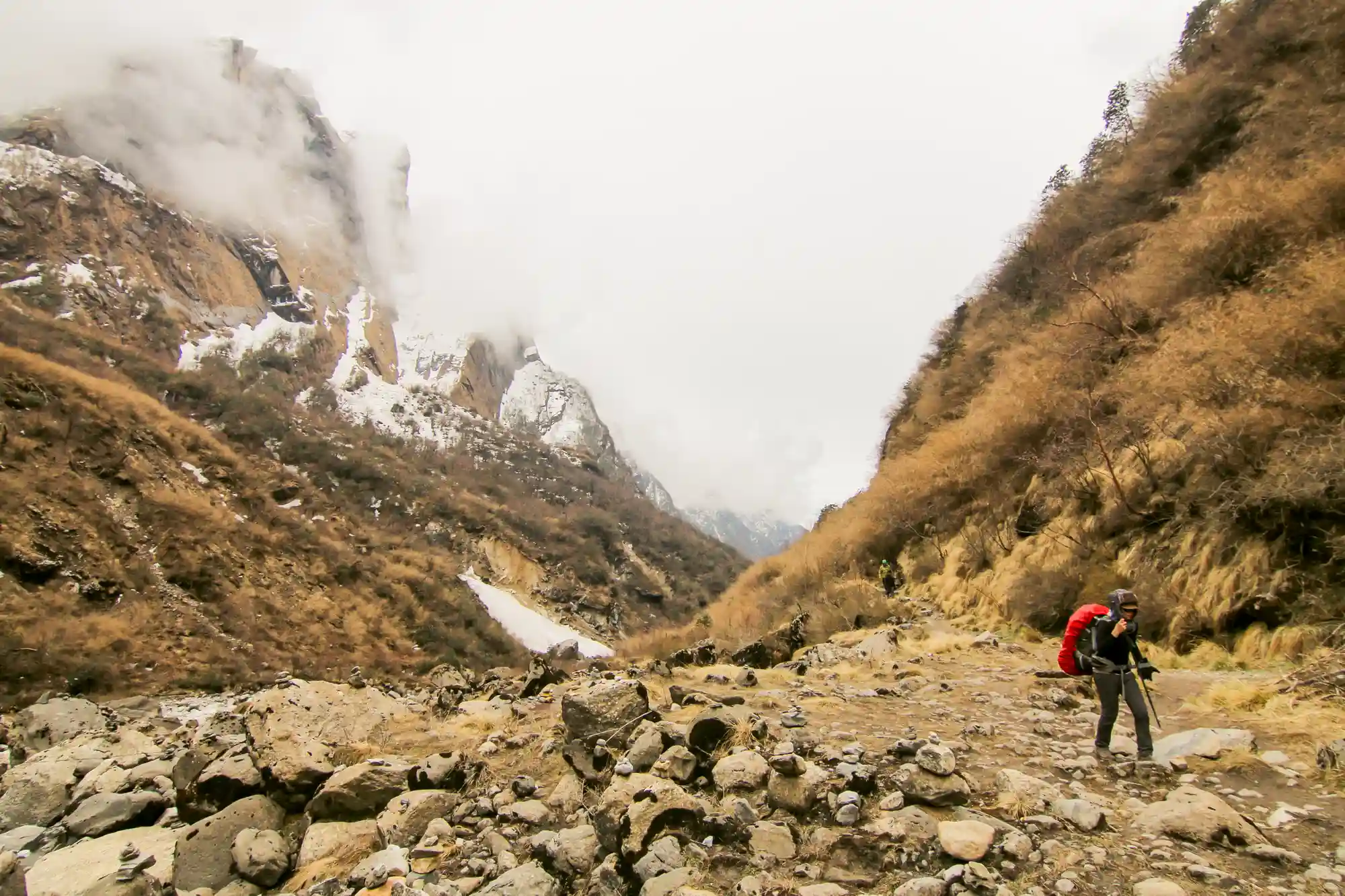
Introduction to the Salkantay Trek
The Salkantay Trek is a popular alternative to the classic Inca Trail to Machu Picchu. This challenging yet rewarding trek takes you through stunning Andean landscapes, from lush cloud forests to high-altitude passes. Proper preparation is key to enjoying this incredible journey.
Understanding the Salkantay Trek Difficulty
The Salkantay Trek is generally considered a moderately difficult to challenging trek. It involves several days of hiking at high altitudes, with significant elevation gains and losses. The highest point is the Salkantay Pass at approximately 15,090 feet (4,600 meters). Be prepared for varied terrain, including rocky paths, steep ascents, and descents.
Physical Fitness for the Salkantay Trek
Being in good physical condition is crucial for a successful Salkantay Trek. Start training several months in advance with activities that improve your cardiovascular fitness and leg strength. Hiking, running, cycling, and strength training are all beneficial. Don’t underestimate the importance of breaking in your hiking boots before the trek.
Acclimatization to High Altitude
Cusco, the gateway city to the Salkantay Trek, sits at an elevation of around 11,200 feet (3,400 meters). Spending at least two to three days in Cusco before your trek is essential for acclimatization. Take it easy on your first day, avoid strenuous activities, and drink plenty of water or coca tea. Listen to your body and descend if you experience severe altitude sickness symptoms. “No te apures” (take it easy) is a good phrase to remember here.
Best Time to Hike the Salkantay Trek
The best time to hike the Salkantay Trek is during the dry season, which runs from May to September. During these months, you can expect sunny days and clear skies. The 1 shoulder seasons (April and October) can also be good, but there’s a higher chance of rain. The rainy season (November to March) is generally not recommended due to heavy rainfall and potential trail closures
Essential Packing List for the Salkantay Trek
Packing the right gear is vital for your comfort and safety on the Salkantay Trek. Here’s a list of essential items:
- Hiking Boots: Well-broken-in, waterproof hiking boots with good ankle support.
- Backpack: A comfortable and supportive backpack (around 60-70 liters for porters, smaller daypack if not).
- Layers of Clothing: Moisture-wicking base layers, warm fleece or down jacket, waterproof and windproof outer shell.
- Hiking Pants and Shorts: Quick-drying and comfortable options.
- Warm Hat and Gloves: Essential for the cold nights and high-altitude pass.
- Sun Protection: Sunglasses, sunscreen, and a wide-brimmed hat.
- Headlamp or Flashlight: For navigating around the campsite at night.
- Water Bottle or Hydration Pack: Stay hydrated throughout the trek.
- Water Purification Tablets or Filter: Ensure access to safe drinking water.
- First-Aid Kit: Include blister treatment, pain relievers, and any personal medications.
- Trekking Poles (Optional): Can help with balance and reduce strain on your knees.
- Sleeping Bag: A warm sleeping bag suitable for cold temperatures (check with your tour operator).
- Toiletries: Travel-sized essentials.
- Snacks: High-energy snacks like energy bars, nuts, and dried fruit.
- Rain Cover for Backpack: To protect your belongings from rain.
- Cash in Local Currency (Soles): For tips and souvenirs. “Un poquito más” (a little more) might come in handy when bargaining for souvenirs.
Choosing a Salkantay Trek Operator
You can hike the Salkantay Trek independently or with a guided tour. For most travelers, especially those without extensive high-altitude trekking experience, booking with a reputable tour operator is highly recommended. They will handle logistics, provide experienced guides, meals, and often porters to carry your main luggage. Research different operators, read reviews, and compare itineraries and prices before making a decision.
What to Expect During the Salkantay Trek
The Salkantay Trek typically lasts for 4 to 5 days. You’ll hike through diverse landscapes, from cloud forests teeming with wildlife to the stark beauty of the high Andes. Expect early starts, several hours of hiking each day, and basic but comfortable campsites. Meals are usually provided by your tour operator and often include local Peruvian dishes. Be prepared for varying weather conditions, even within the same day.
Respecting Local Culture and Environment
When trekking in Peru, it’s important to be respectful of the local culture and environment. Dress modestly when visiting villages and religious sites. Ask for permission before taking photos of people. Avoid littering and stick to marked trails. Support local communities by purchasing souvenirs and using local services where possible. A simple “Gracias” (thank you) goes a long way.
Safety Considerations on the Salkantay Trek
The Salkantay Trek involves inherent risks associated with high altitude and challenging terrain. Listen to your guide’s instructions, be aware of your surroundings, and don’t push yourself beyond your limits. Be prepared for potential altitude sickness and know the symptoms. Carry a basic first-aid kit and inform your guide of any medical conditions you have.
Reaching Machu Picchu After the Salkantay Trek
The Salkantay Trek typically culminates with a visit to the magnificent Inca citadel of Machu Picchu. After your trek, you’ll usually take a bus from Aguas Calientes (also known as Machu Picchu Pueblo) up to the entrance of Machu Picchu at approximately 7,972 feet (2,430 meters). Your tour operator will arrange your entrance tickets and a guided tour of the site.
Enjoying Your Salkantay Trek Experience
The Salkantay Trek is an unforgettable adventure that offers breathtaking scenery and a unique cultural experience. By preparing properly, you’ll be able to fully appreciate the beauty and challenges of this incredible journey. Remember to take your time, enjoy the views, and maybe even try saying “¡Qué chévere!” (How cool!) when you see something amazing.
Salkantay Trek: Frequently Asked Questions
What is the best time of year to do the Salkantay Trek The dry season from May to September offers the best weather conditions for the trek
How difficult is the Salkantay Trek It is considered moderately difficult to challenging due to high altitude and varied terrain
Do I need to book a tour for the Salkantay Trek While it’s possible to hike independently booking with a tour operator is highly recommended for most travelers
What is the highest altitude reached on the Salkantay Trek The Salkantay Pass reaches an altitude of approximately 15090 feet 4600 meters
How long does the Salkantay Trek typically take Most Salkantay Treks last between 4 and 5 days
What should I pack for the Salkantay Trek Essential items include hiking boots layers of clothing a warm sleeping bag and rain gear
Is altitude sickness a concern on the Salkantay Trek Yes altitude sickness can be a concern Acclimatizing in Cusco before the trek is crucial
Will I see Machu Picchu on the Salkantay Trek Yes the Salkantay Trek typically ends with a visit to Machu Picchu
Are meals included on a guided Salkantay Trek Yes most tour operators include meals during the trek
Do I need travel insurance for the Salkantay Trek It is highly recommended to have travel insurance that covers medical emergencies and trip cancellations
What is the currency in Peru and should I bring cash The currency is the Peruvian Sol It’s a good idea to bring some cash for tips and souvenirs
Are there toilets available along the Salkantay Trek Toilet facilities are basic and limited to campsites
Can I rent hiking gear in Cusco Yes there are many places in Cusco where you can rent hiking gear
What is the typical group size for a guided Salkantay Trek Group sizes vary but are often between 8 and 12 people
How much should I tip my guide and porters Tipping is customary and appreciated The amount depends on the quality of service
Salkantay Trek: Your Quick Travel Guide
Before You Go
- Book Your Trek: Choose a reputable tour operator well in advance especially if traveling during peak season.
- Flights and Accommodation: Arrange your flights to Cusco and book accommodation for your time before and after the trek.
- Travel Insurance: Ensure you have adequate travel insurance that covers high-altitude trekking.
- Visa Requirements: Check if you need a visa to enter Peru.
- Vaccinations: Consult your doctor about recommended vaccinations for Peru.
During Your Trek
- Listen to Your Guide: Your guide is experienced and knows the trails well Follow their instructions for your safety.
- Stay Hydrated: Drink plenty of water throughout the day to help prevent altitude sickness.
- Pace Yourself: Don’t try to keep up with others if you’re feeling tired Hike at a pace that’s comfortable for you.
- Snack Regularly: Maintain your energy levels by eating high-energy snacks between meals.
- Communicate Any Issues: Inform your guide immediately if you’re feeling unwell or have any concerns.
After Your Trek
- Rest and Recover: Allow your body time to rest and recover after the strenuous trek.
- Explore Cusco: Take some time to explore the historical city of Cusco and its many attractions.
- Souvenir Shopping: Consider buying some local crafts or souvenirs to remember your trip.
- Share Your Experience: Tell your friends and family about your amazing Salkantay Trek adventure.
Salkantay Trek Highlights
- Witnessing the majestic Salkantay Mountain.
- Hiking through diverse Andean landscapes.
- Reaching the challenging but rewarding Salkantay Pass at high altitude.
- Experiencing the beauty of the cloud forest.
- Visiting local communities and learning about their culture.
- Arriving at the awe-inspiring Inca citadel of Machu Picchu.
- Enjoying the camaraderie of fellow trekkers.
- Tasting delicious Peruvian cuisine.
- Pushing your physical and mental limits.
- Creating unforgettable memories in the Peruvian Andes