

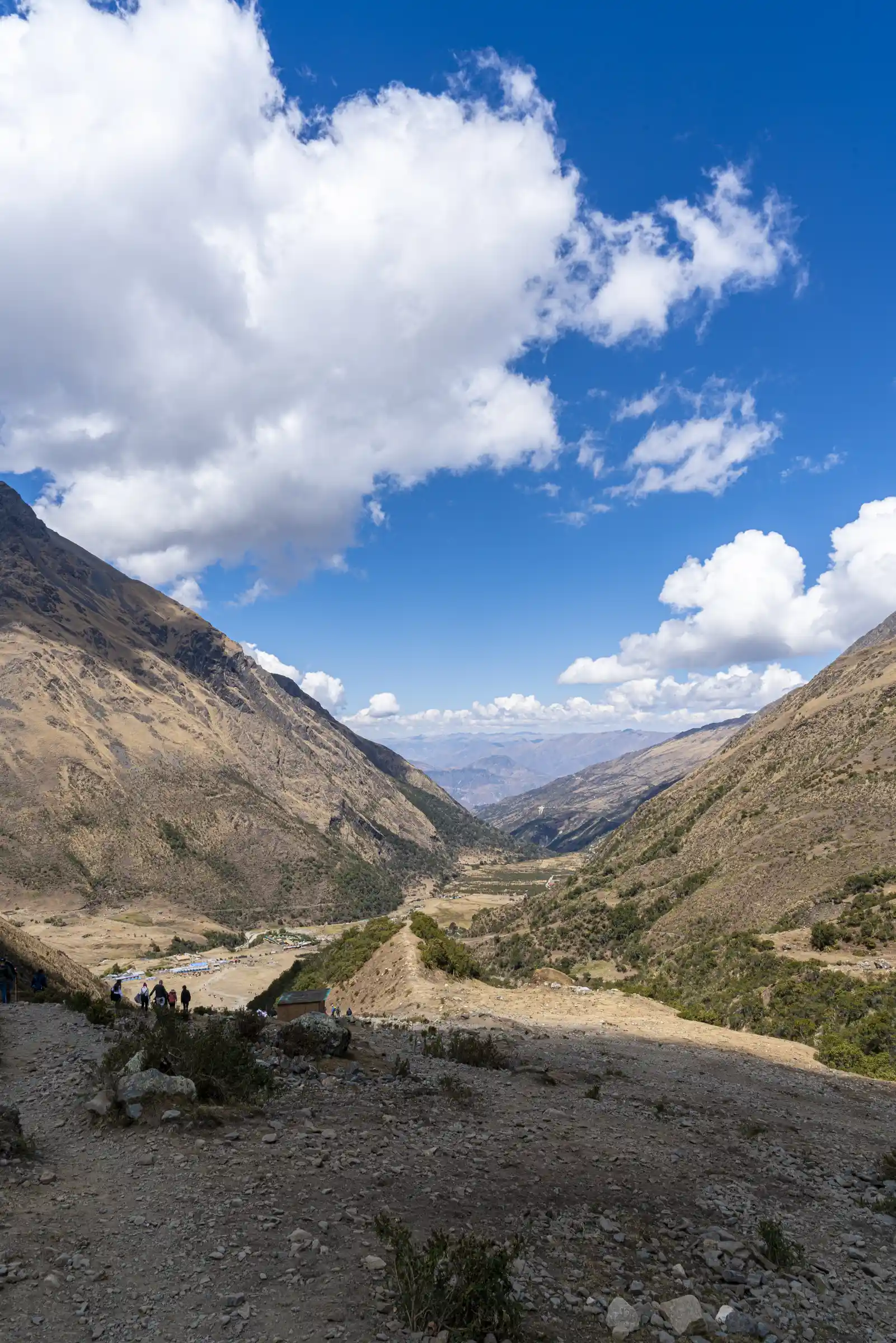
Introduction to Salkantay Trek Altitudes
The Salkantay Trek is one of the most popular alternative routes to Machu Picchu, known for its dramatic landscapes and high-altitude challenges. Understanding the altitudes along the route is crucial for proper acclimatization and a successful trek.
Key Altitudes on the Salkantay Trek Route
Starting Point: Mollepata (9,514 ft / 2,900 m)
The trek typically begins in Mollepata, a small town in the Cusco region. At this altitude, most travelers start feeling the effects of thinner air.
Soraypampa (12,795 ft / 3,900 m)
The first campsite is Soraypampa, where many groups spend the night before tackling the highest pass. This is where altitude sickness symptoms may first appear.
Salkantay Pass (15,090 ft / 4,600 m)
The highest point of the trek, the Salkantay Pass, offers breathtaking views but also presents the biggest challenge due to low oxygen levels. Proper pacing is essential.
Collpapampa (9,843 ft / 3,000 m)
After descending from the pass, trekkers reach Collpapampa, where the climate becomes warmer and oxygen levels improve.
La Playa (6,562 ft / 2,000 m)
A significant drop in altitude marks the transition into a subtropical zone, with lush vegetation and easier breathing.
Aguas Calientes (6,693 ft / 2,040 m)
The final stop before Machu Picchu, Aguas Calientes sits at a comfortable altitude, allowing trekkers to rest before the final ascent.
Machu Picchu (7,972 ft / 2,430 m)
The ancient Inca citadel sits at a moderate altitude, making it easier to explore after the challenging trek.
How to Handle High Altitudes on the Salkantay Trek
- Acclimatize in Cusco (11,152 ft / 3,400 m) before starting.
- Stay hydrated and avoid alcohol.
- Walk slowly and take breaks.
- Consider altitude sickness medication if needed.
Frequently Asked Questions
What is the highest point on the Salkantay Trek?
The highest point is the Salkantay Pass at 15,090 ft (4,600 m).
How long does it take to acclimatize before the trek?
Spend at least 2-3 days in Cusco or another high-altitude location before starting.
What are the symptoms of altitude sickness?
Headache, nausea, dizziness, and fatigue are common signs.
Is altitude sickness dangerous?
In severe cases, it can be life-threatening. Descending is the best solution if symptoms worsen.
Can I avoid altitude sickness?
Proper acclimatization, hydration, and gradual ascent help reduce risks.
Do I need medication for altitude sickness?
Some travelers take acetazolamide (Diamox), but consult a doctor first.
How steep is the climb to Salkantay Pass?
The ascent is gradual but challenging due to altitude and rocky terrain.
What’s the best time to do the Salkantay Trek?
The dry season (May-September) offers clearer skies and better trekking conditions.
Is the Salkantay Trek harder than the Inca Trail?
Yes, due to higher altitudes and more rugged terrain.
How cold does it get at high altitudes?
Temperatures can drop below freezing at night, especially near Salkantay Pass.
Are there any emergency options if I can’t continue?
Horseback rides and emergency evacuations are available in some sections.
Do I need a guide for the Salkantay Trek?
While not mandatory, a guide is highly recommended for safety and navigation.
What should I pack for high-altitude trekking?
Layered clothing, a good sleeping bag, trekking poles, and sunscreen are essential.
Can I rent equipment for the trek?
Yes, many agencies in Cusco offer gear rentals.
Is there Wi-Fi or phone signal on the trek?
Connection is limited, with sporadic signal in some villages.
Salkantay Trek Travel Guide
Best Time to Go
The dry season (May-September) is ideal, with fewer rain disruptions.
Packing List
- Warm layers for high altitudes
- Waterproof gear
- Sturdy hiking boots
- Sun protection
Training and Fitness
Cardio and endurance exercises help prepare for long hiking days.
Permits and Costs
No permit is required, but hiring a guide or booking a tour is common.
Food and Water
Most tours include meals, but carrying snacks and water purification tablets is wise.
Safety Tips
- Trek in groups
- Follow guide instructions
- Monitor altitude sickness symptoms
Highlights of the Salkantay Trek
- Crossing the Salkantay Pass at 15,090 ft (4,600 m)
- Stunning views of Humantay Lake (13,779 ft / 4,200 m)
- Descending into lush cloud forests
- Soaking in Aguas Calientes hot springs
- Exploring Machu Picchu after the challenging trek
Understanding the altitudes on the Salkantay Trek helps travelers prepare adequately, ensuring a safer and more enjoyable experience.